CCB celebrates undergraduate research and honors Yoshito Kishi
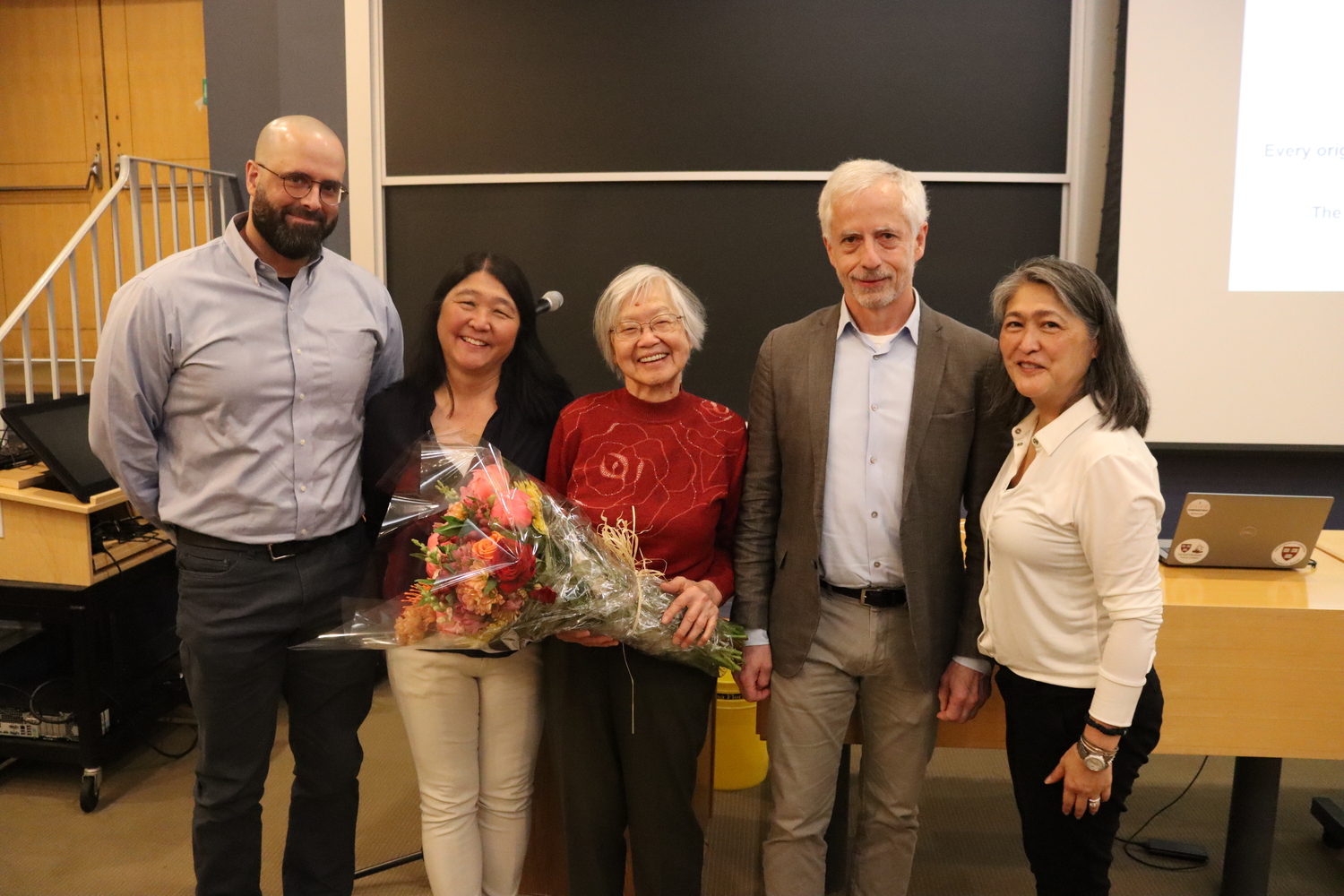
Harvard’s Department of Chemistry and Chemical Biology hosted its second annual undergraduate research symposium, showcasing its undergraduates’ state-of-the-art research projects and honoring the historic contributions of a beloved CCB professor and renowned organic chemist who passed away last year, Yoshito Kishi.
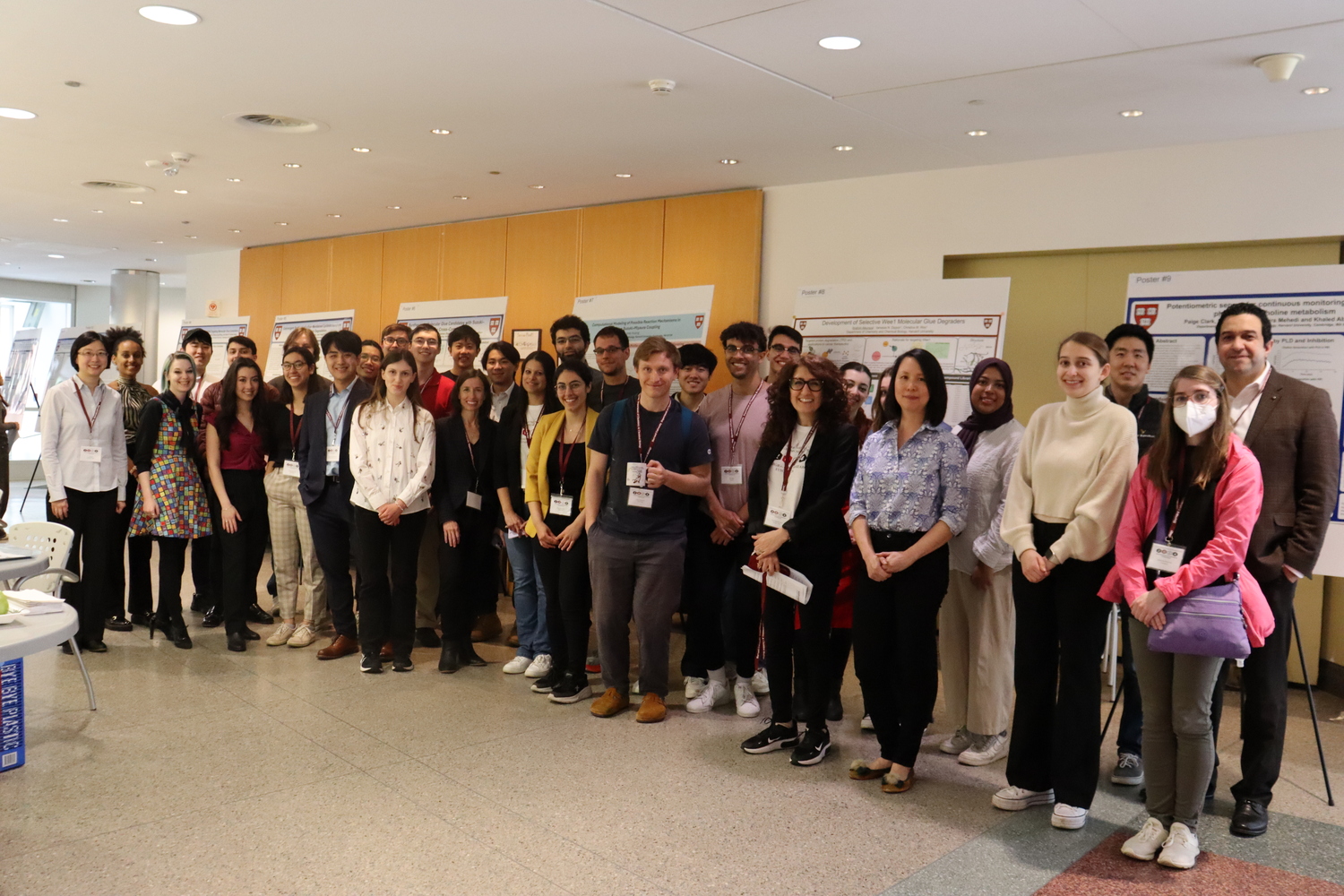
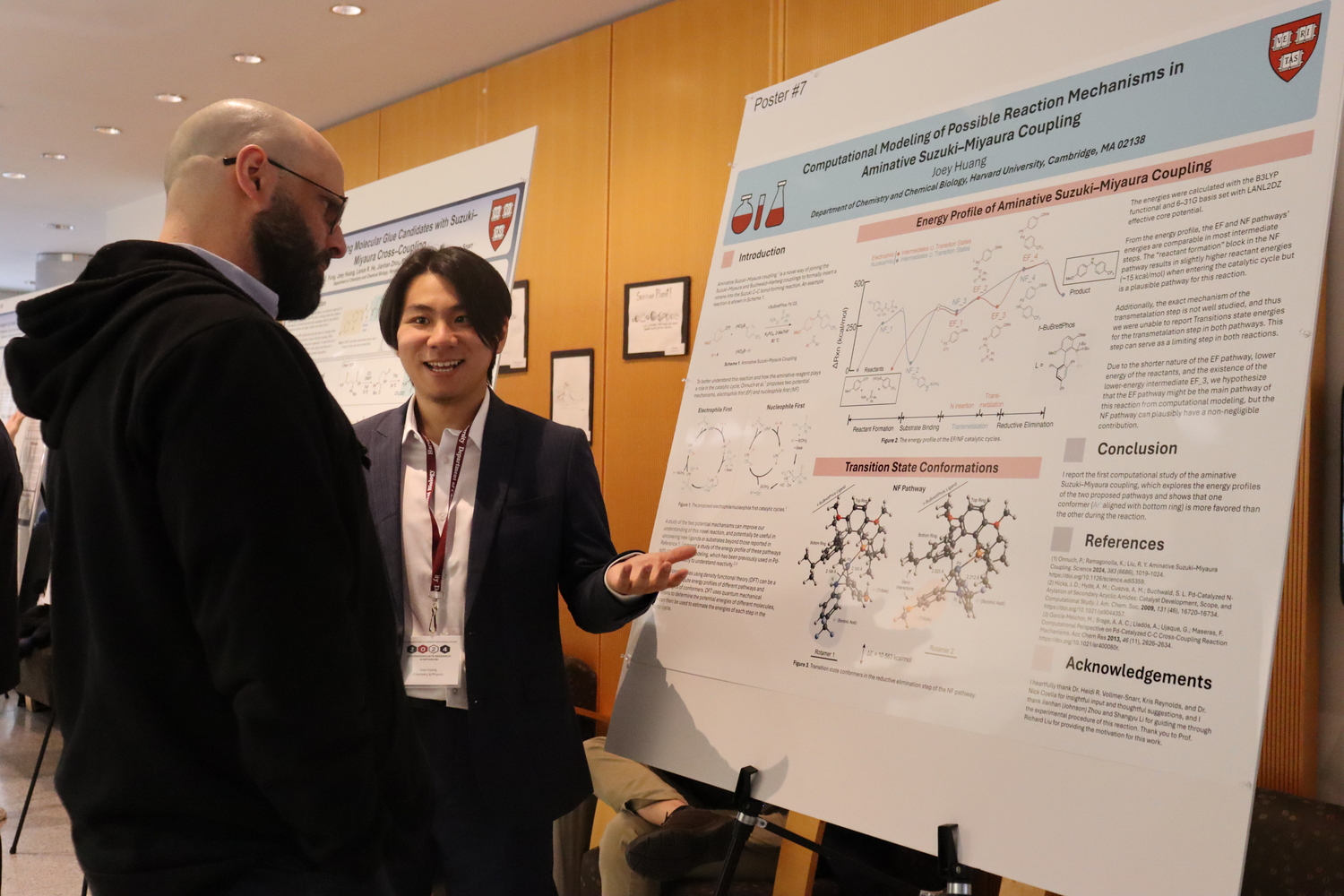
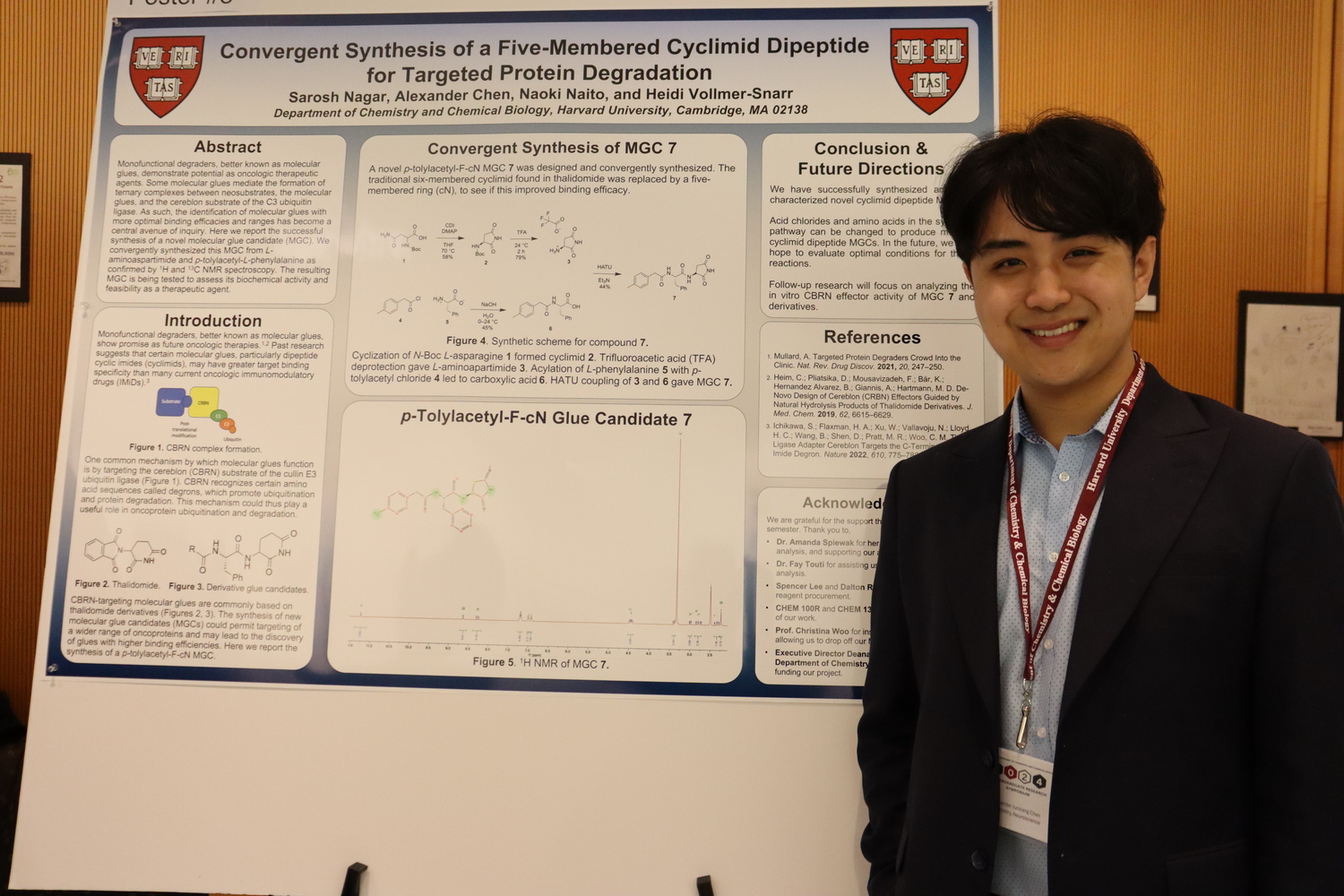
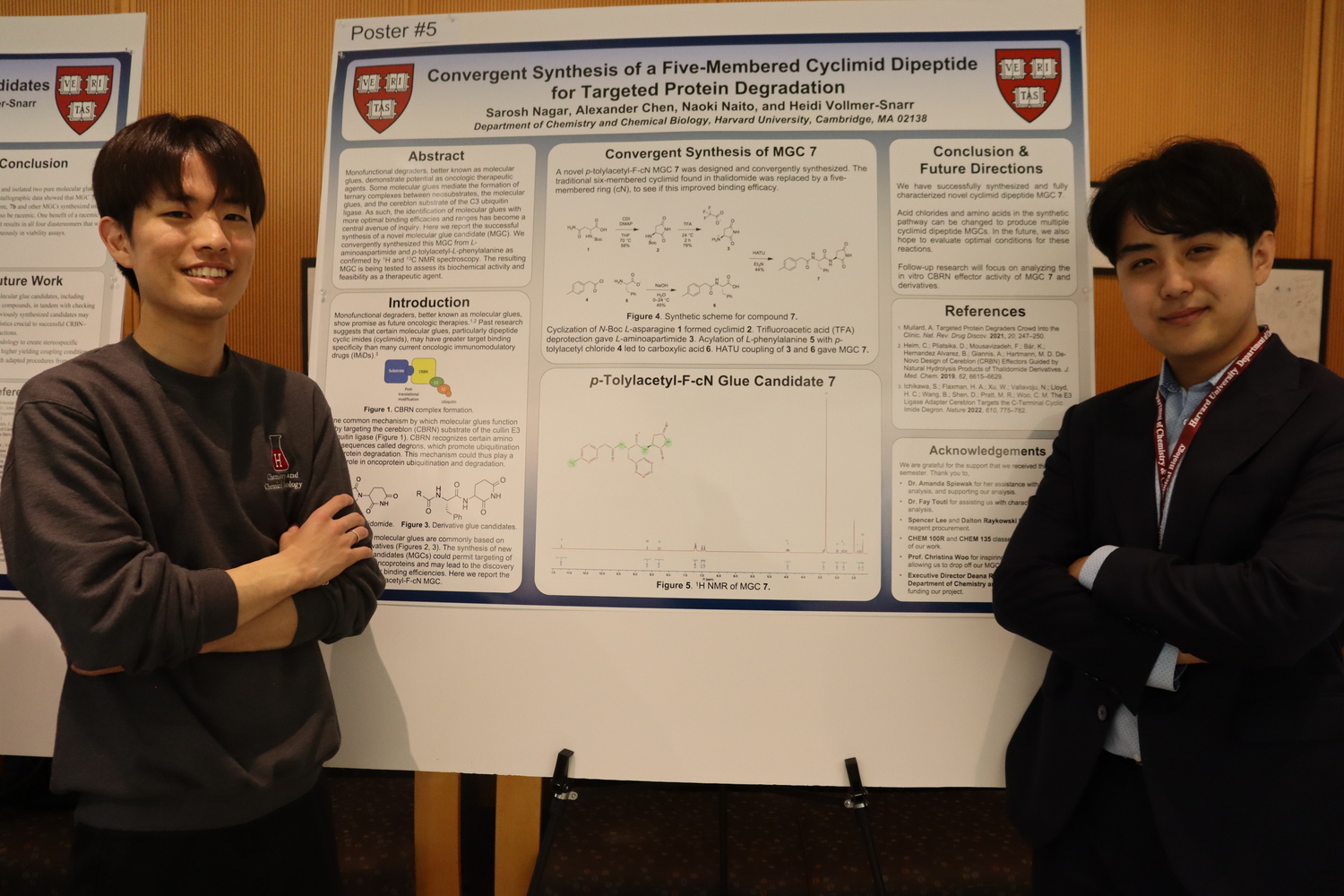
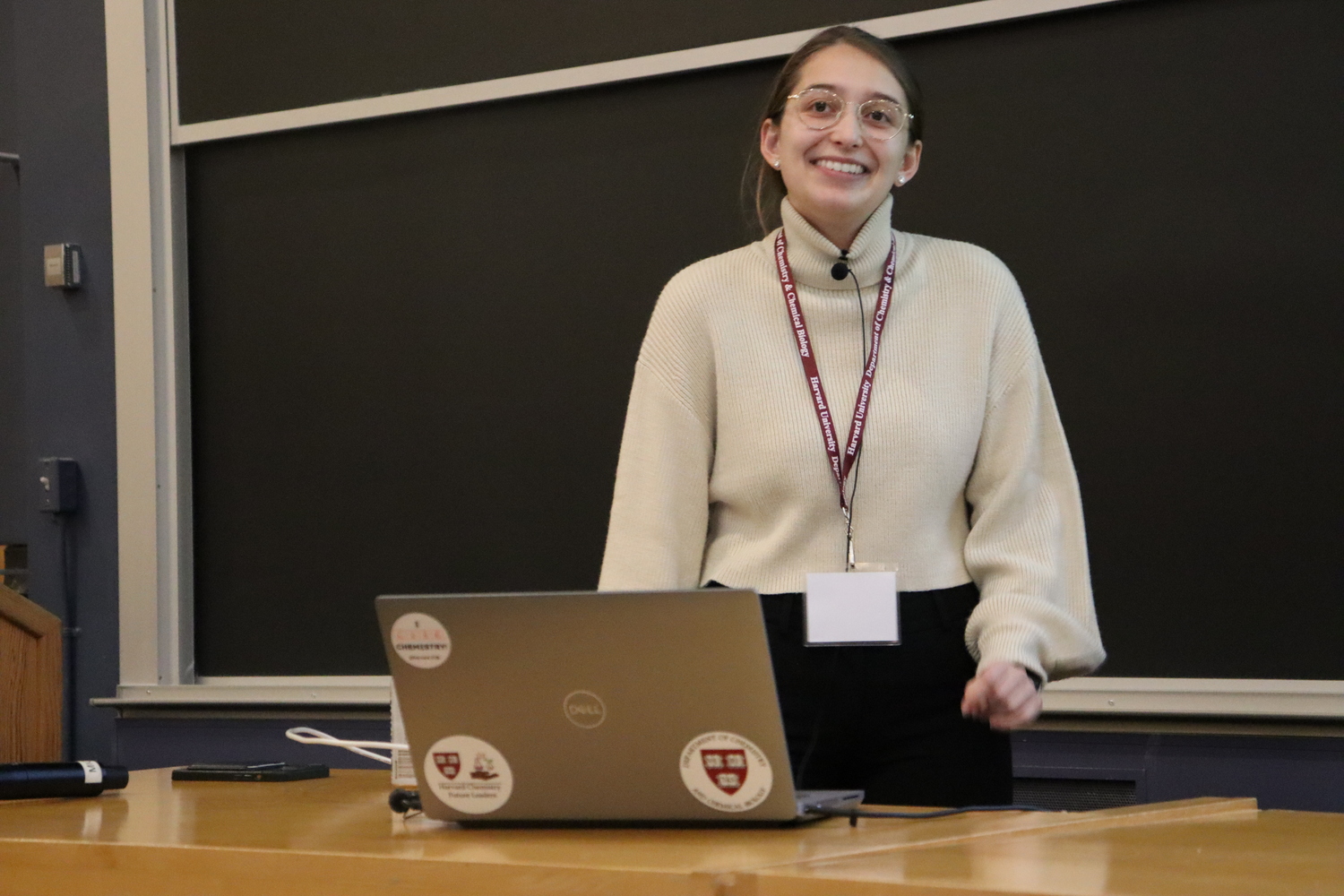
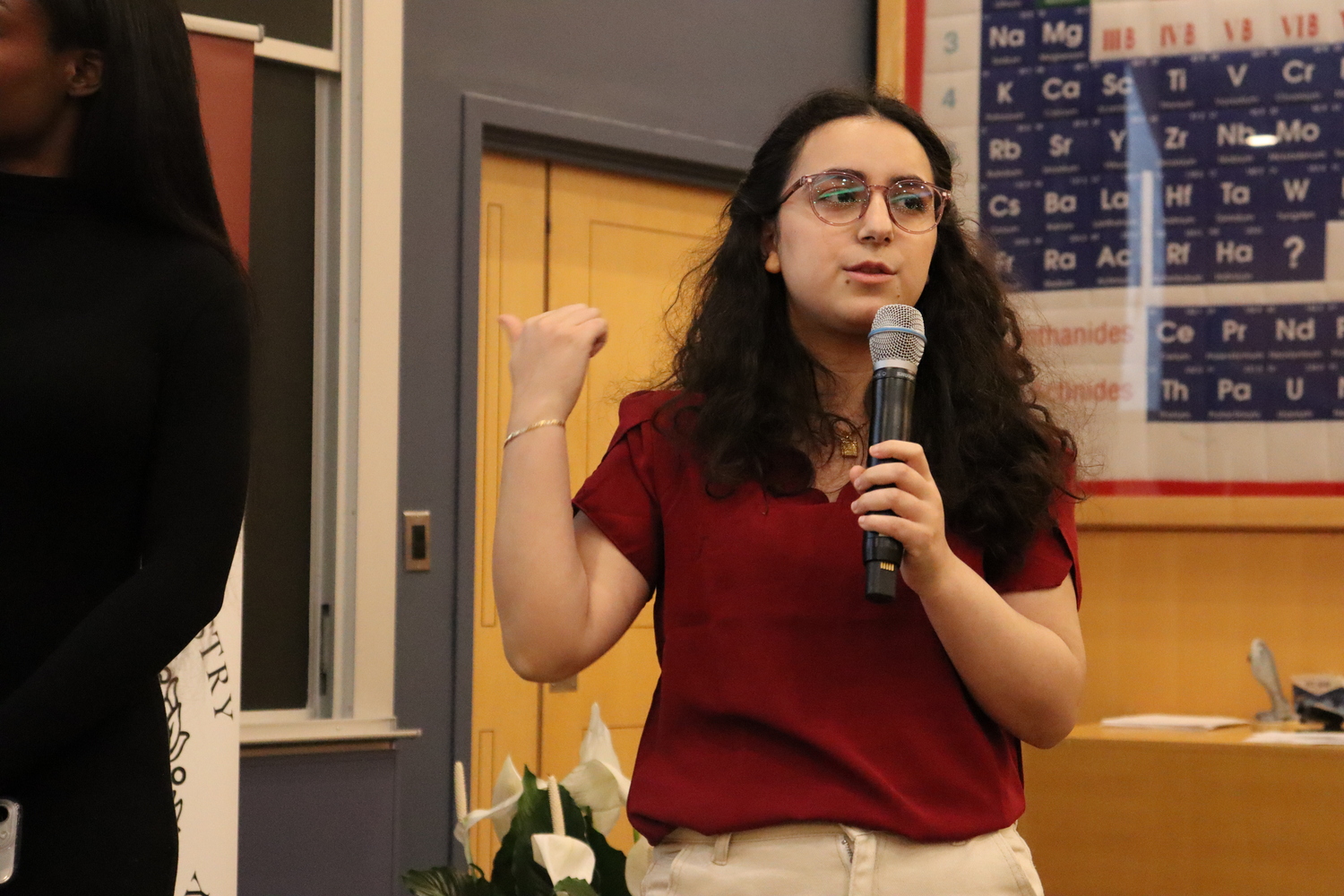
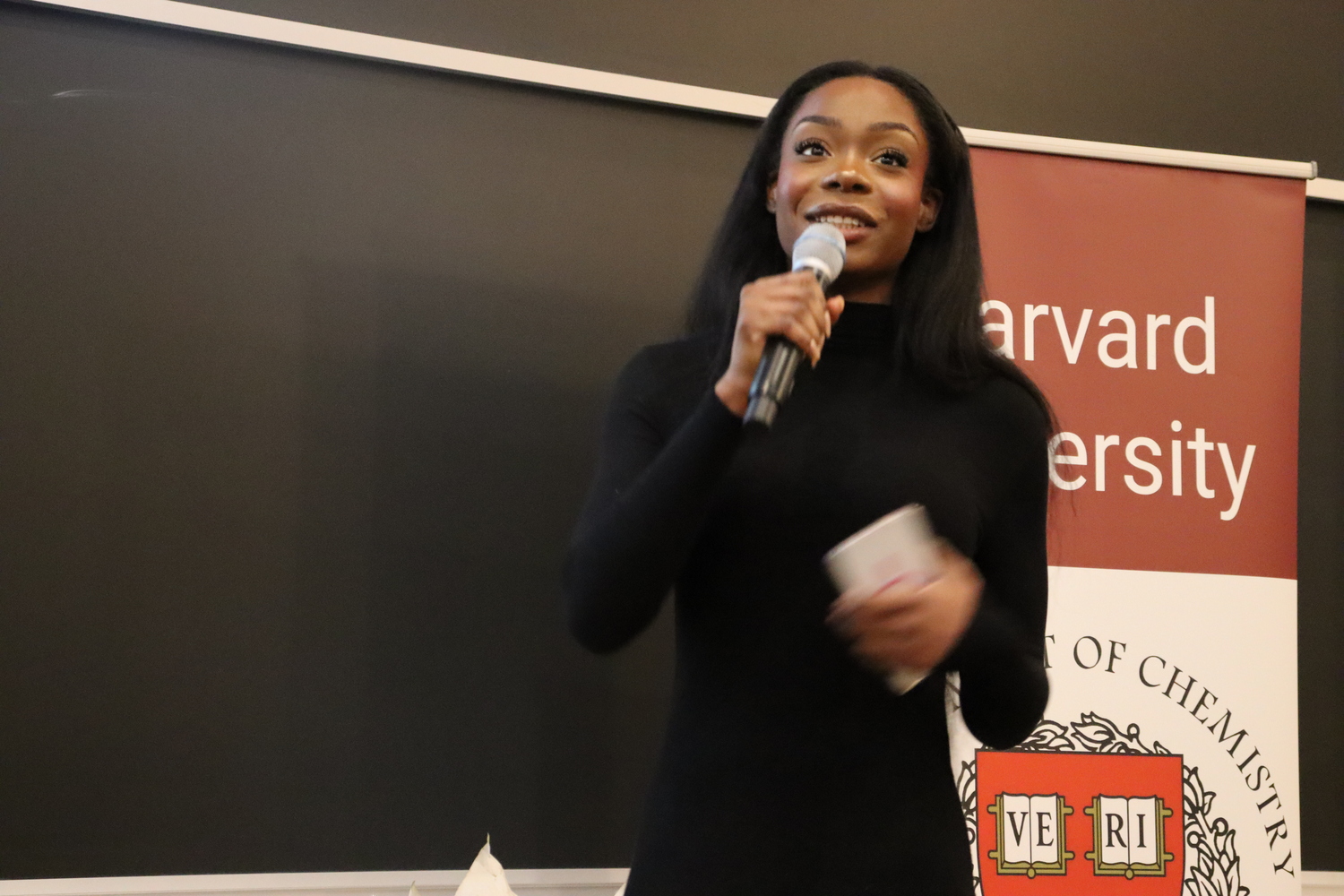
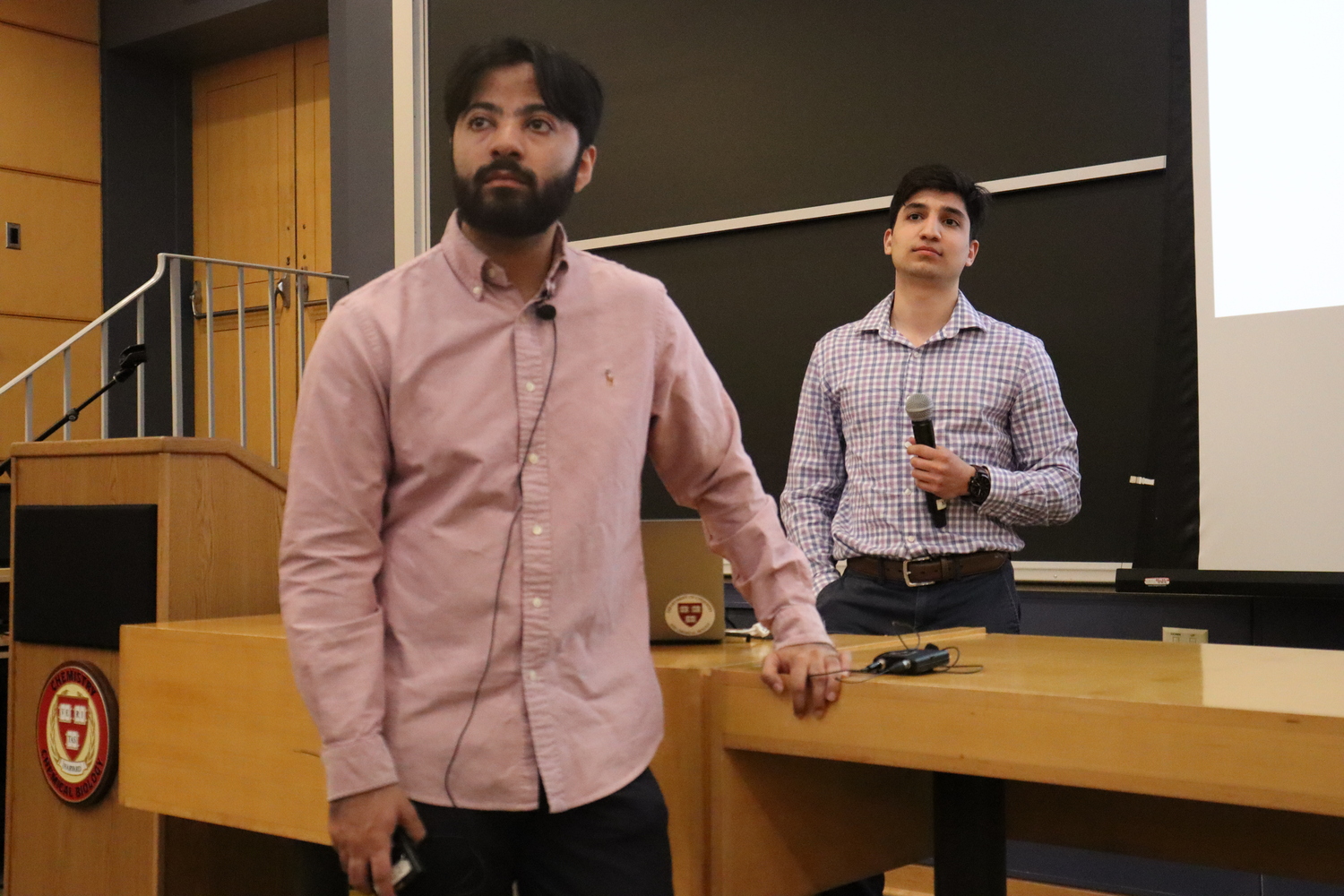
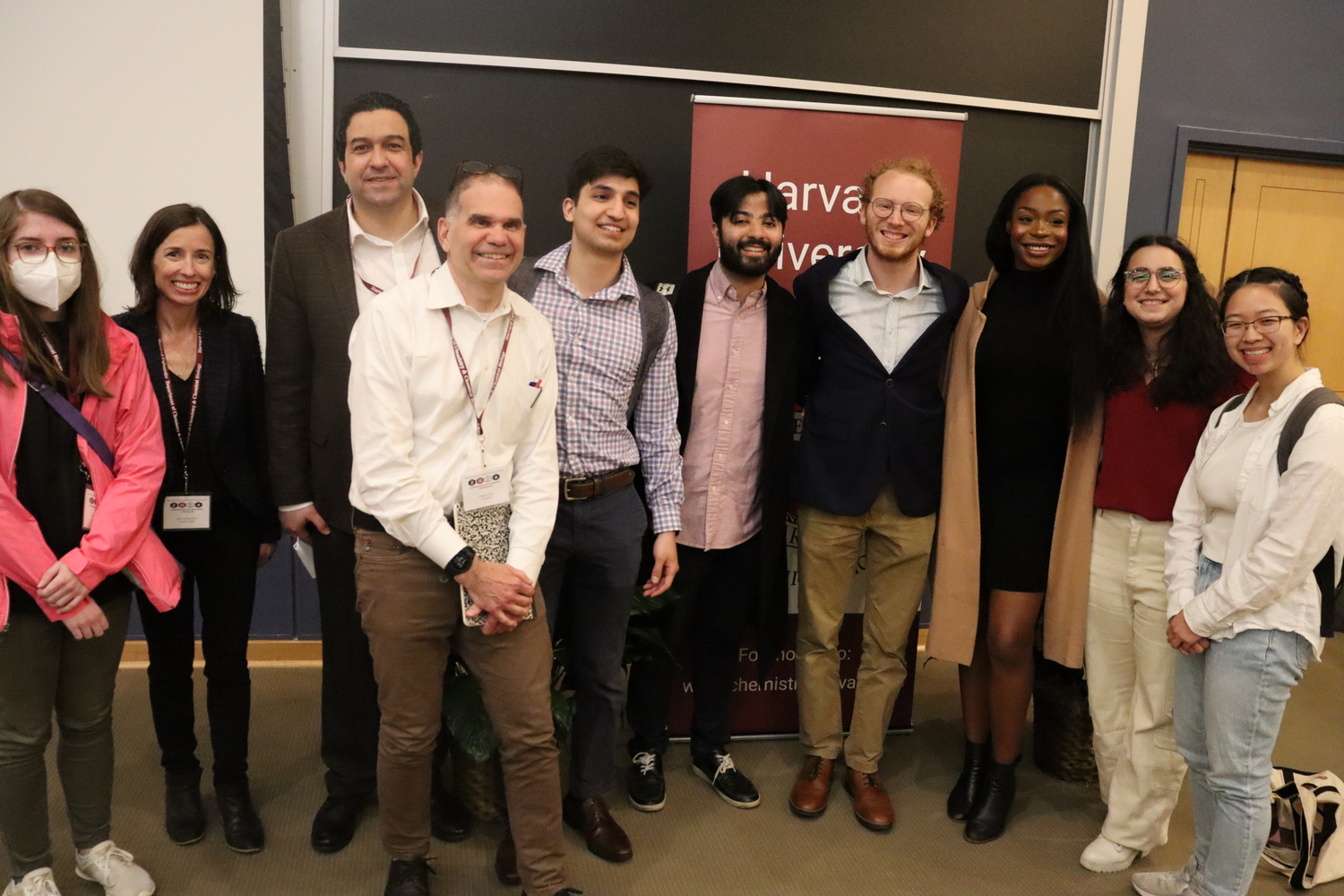
The symposium, which took place on Tuesday, April 30, was attended by approximately 100 people, including faculty members, graduate students, undergraduates, and staff members from across the University. The event featured a keynote address, a memorial address about Professor Kishi, morning and afternoon oral presentations, and poster presentations that covered a diverse range of topics including advanced research practices in organic chemistry, chemical biology to inorganic chemistry.
“At CCB our undergraduate students engage in cutting-edge research in our faculty labs, enabling them to nurture their curiosity, make scientific advances, and prepare for careers in chemistry,” said Deana Reardon, Executive Director of CCB. “Our undergraduate research symposium celebrates the remarkable accomplishments of our undergraduates and highlights their important contributions to our department’s pursuit of scientific knowledge.”
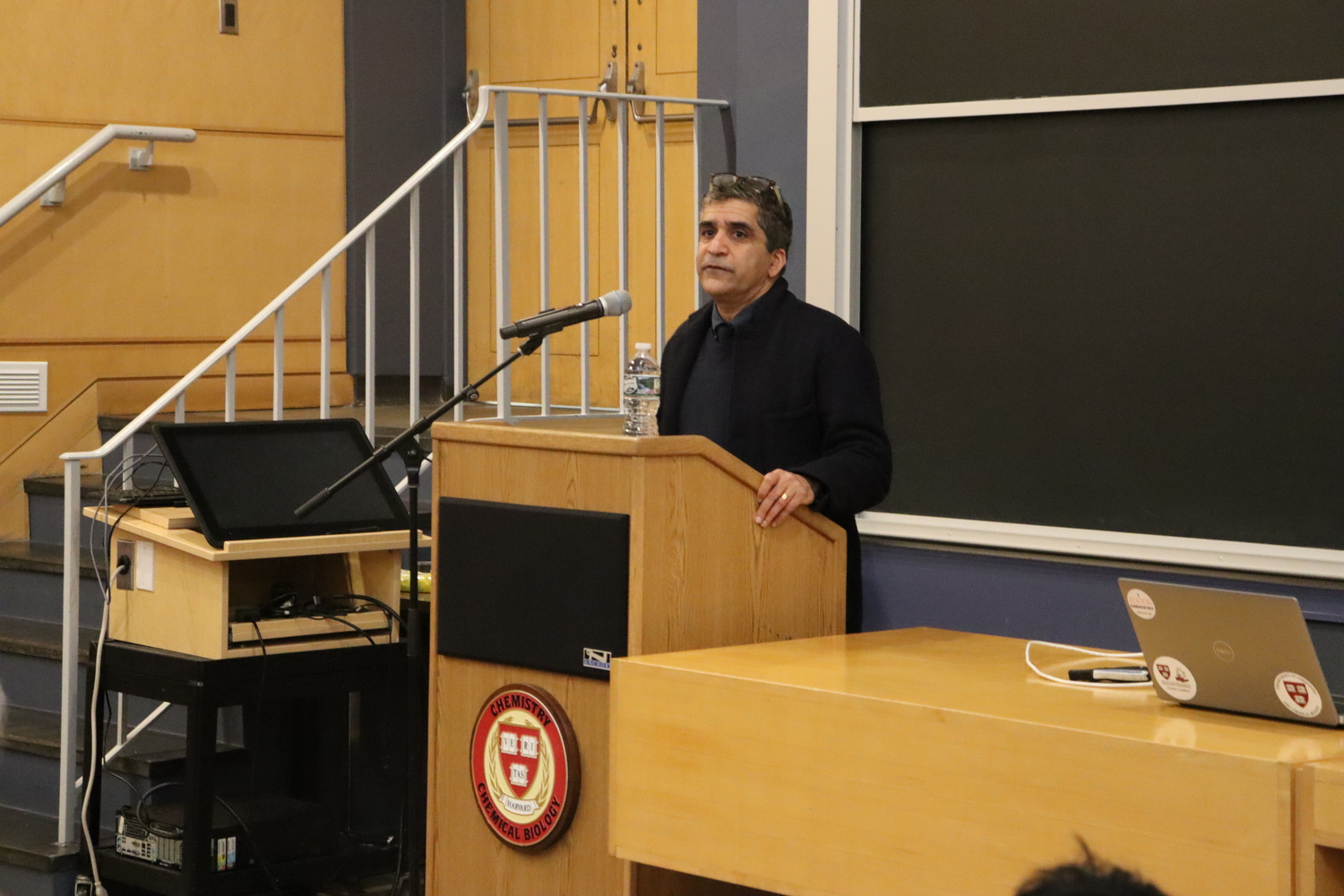
The symposium began with an address by the keynote speaker, Harvard College Dean Rakesh Khurana, Marvin Bower Professor of Leadership Development at the Harvard Business School, who discussed the value of researching thorny issues, testing hypotheses, and ultimately discovering new truths.
“The truth is our most potent weapon against the most pressing challenges of our days, whether it’s environmental degradation, inequality, economic disparities, chasms in education, challenges to our democracy,” Khurana said. “New scientific discoveries can improve all our lives and our understandings of the world around us.”
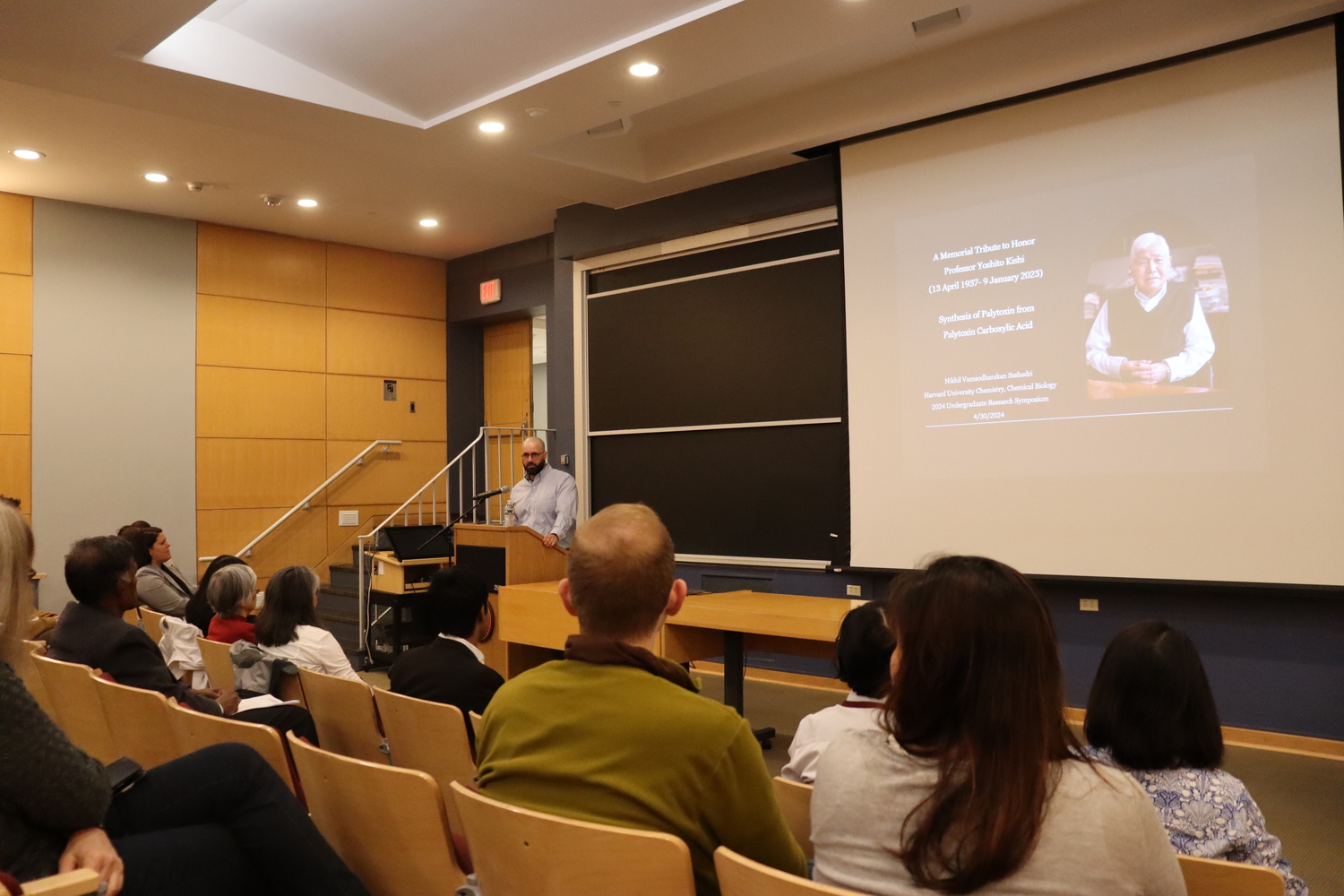
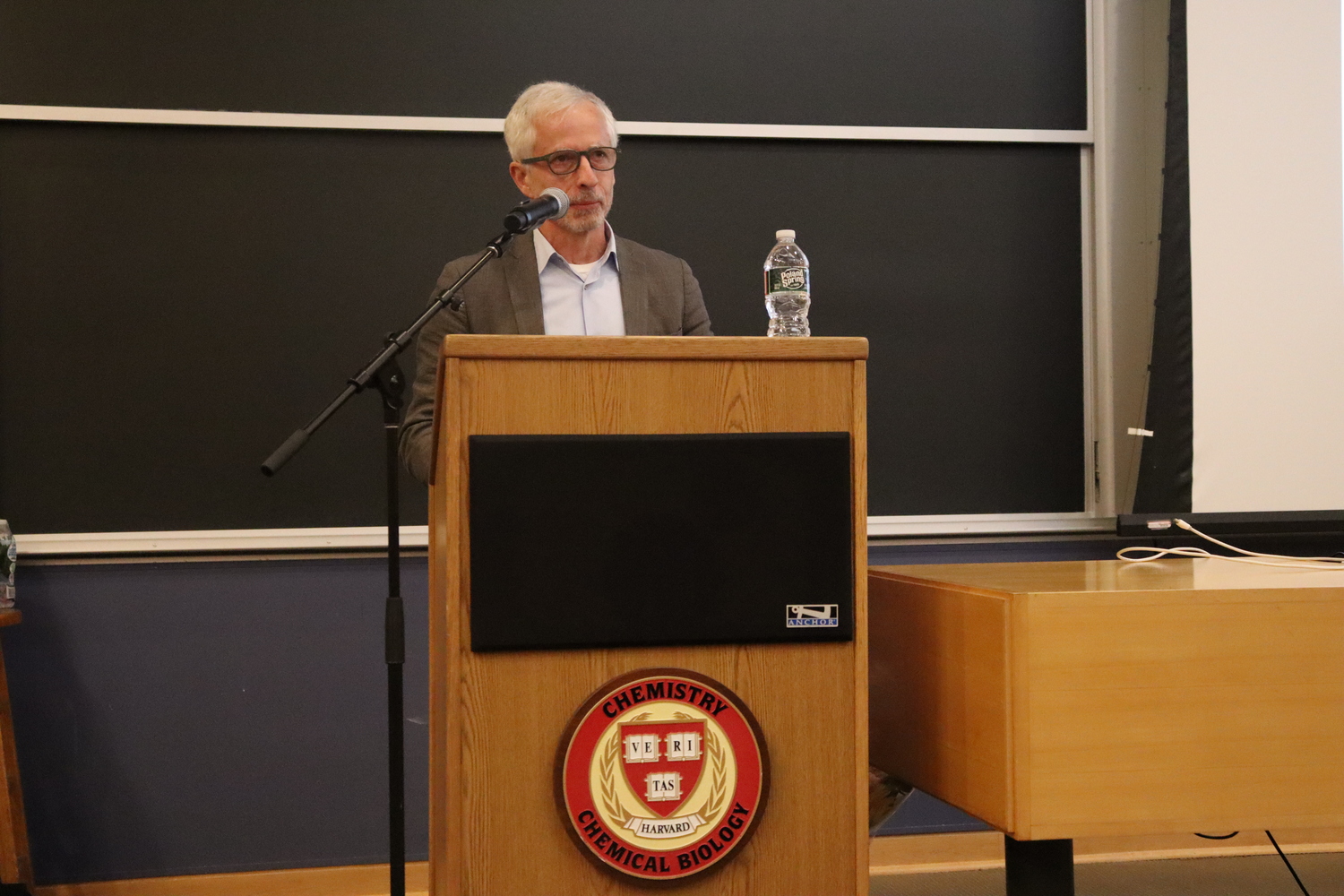
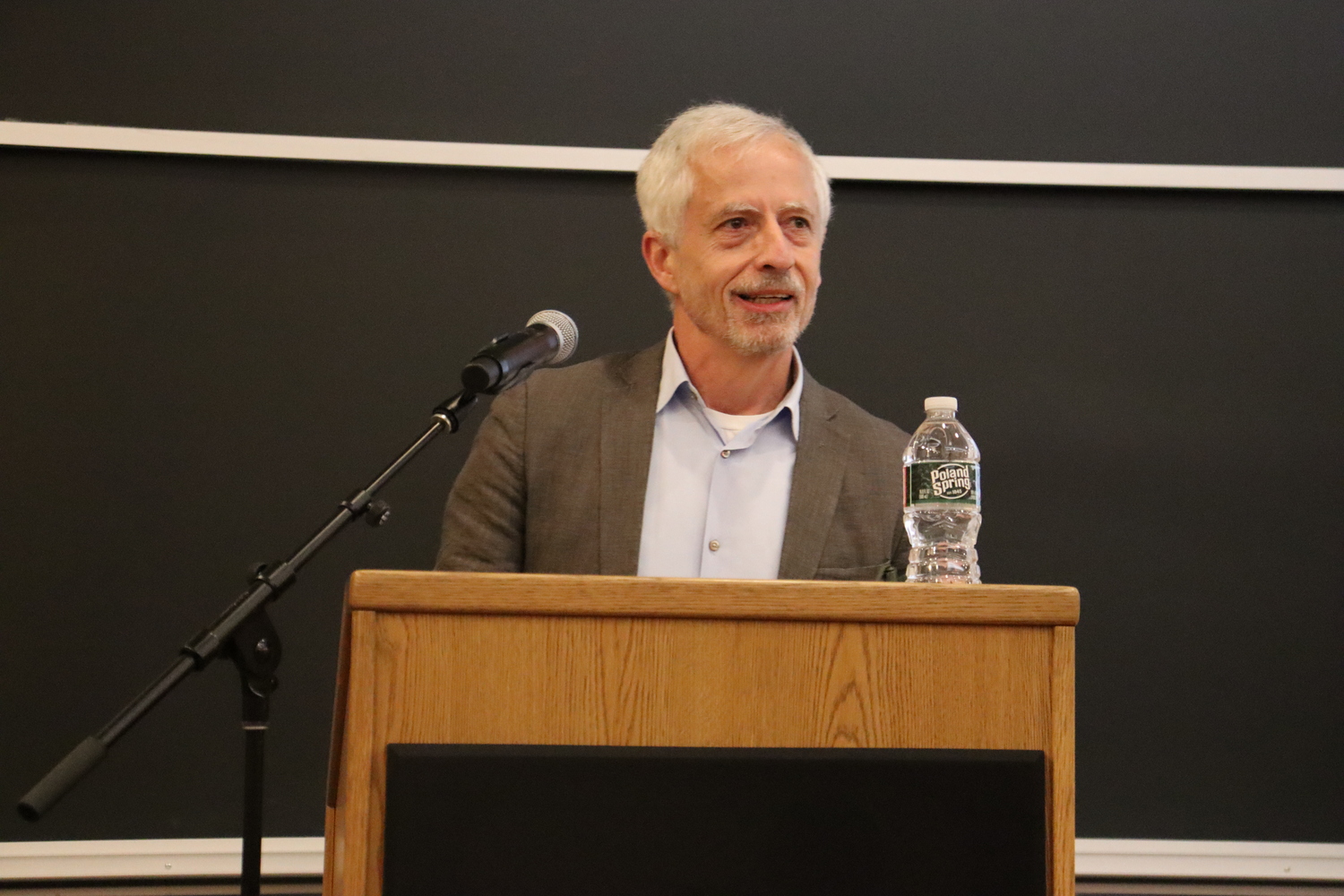
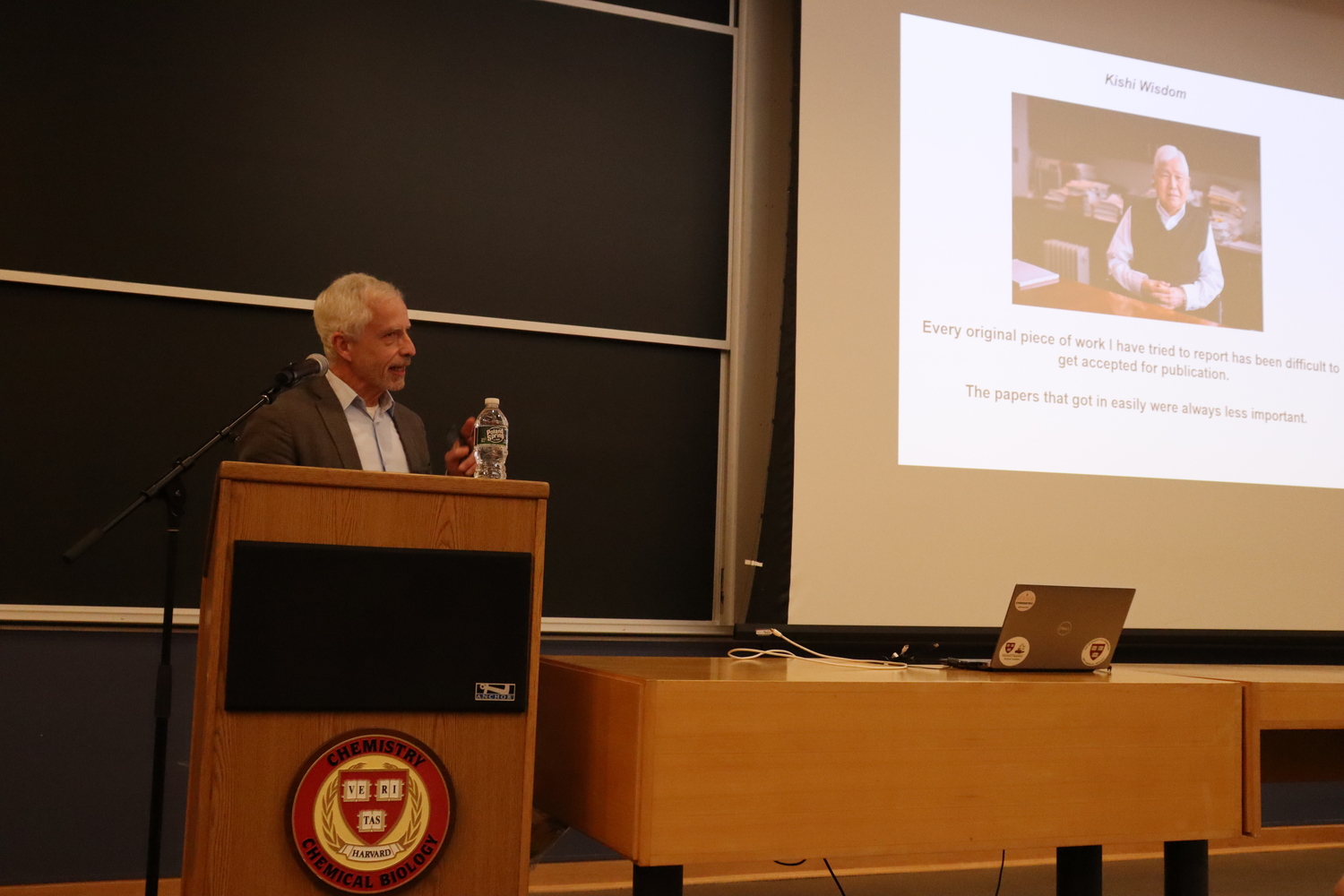
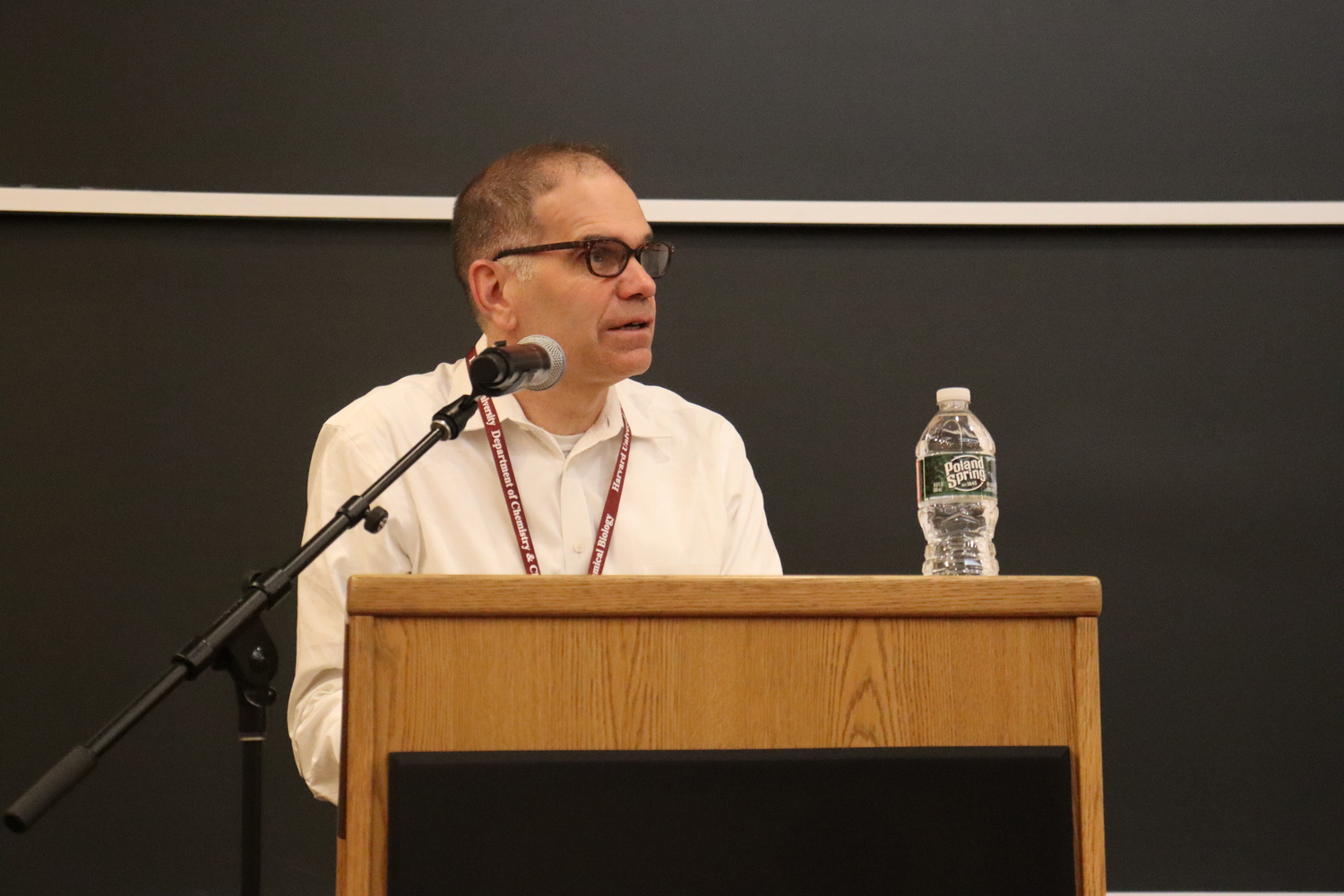
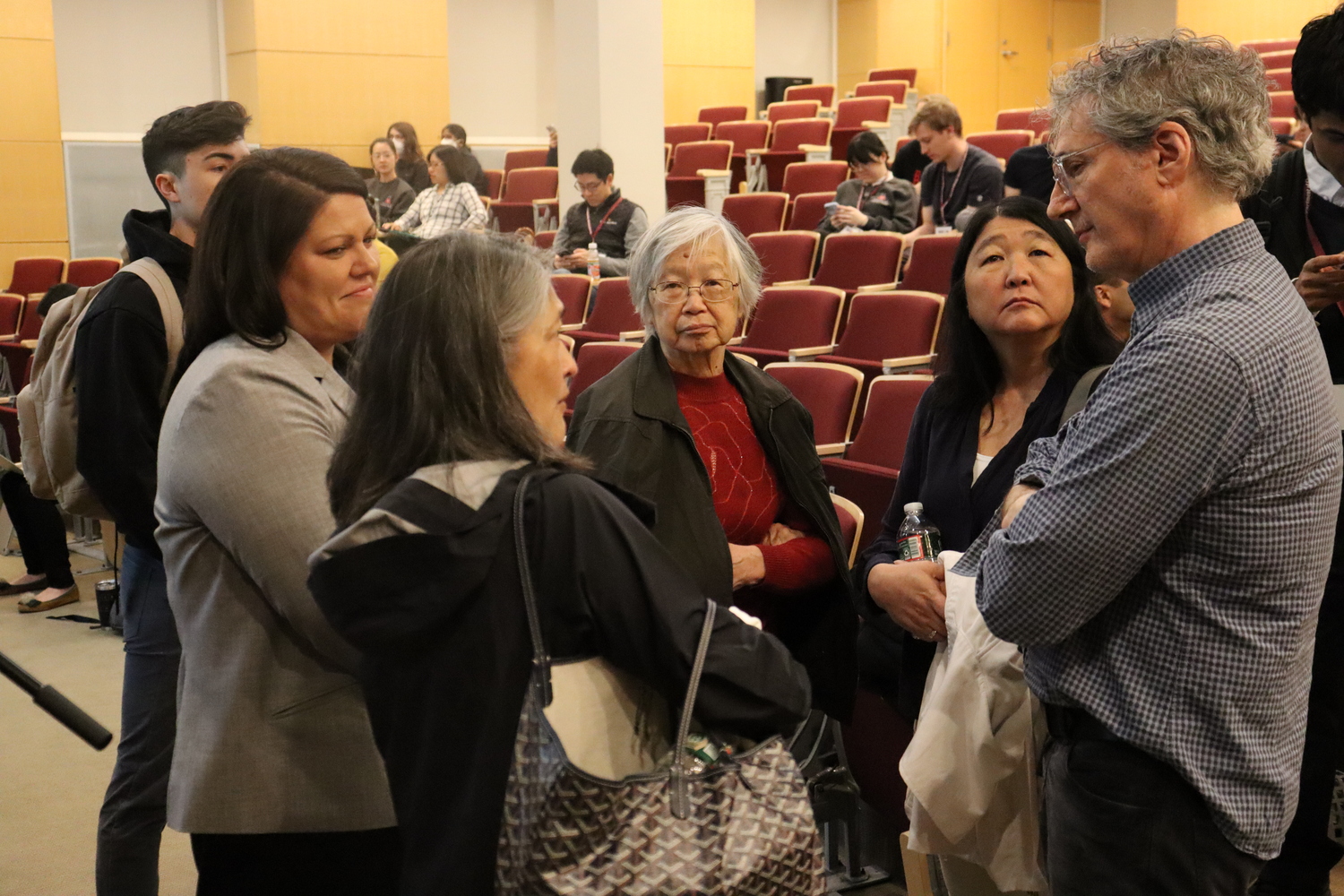
As a tribute to Kishi’s life and achievements, Eric Jacobsen, Sheldon Emory Professor of Organic Chemistry, recited Kishi’s Memorial Minute and recounted his personal experiences with Kishi, who had encouraged scientists to pursue difficult questions.
“Kishi said that if we are doing something impactful it would be difficult for the community to appreciate it initially,” Jacobsen said. “That really defines Kishi’s career, he was so far ahead of the field and all of us in the way that he approached science that he was never fully in the mainstream. He was beyond the mainstream.”
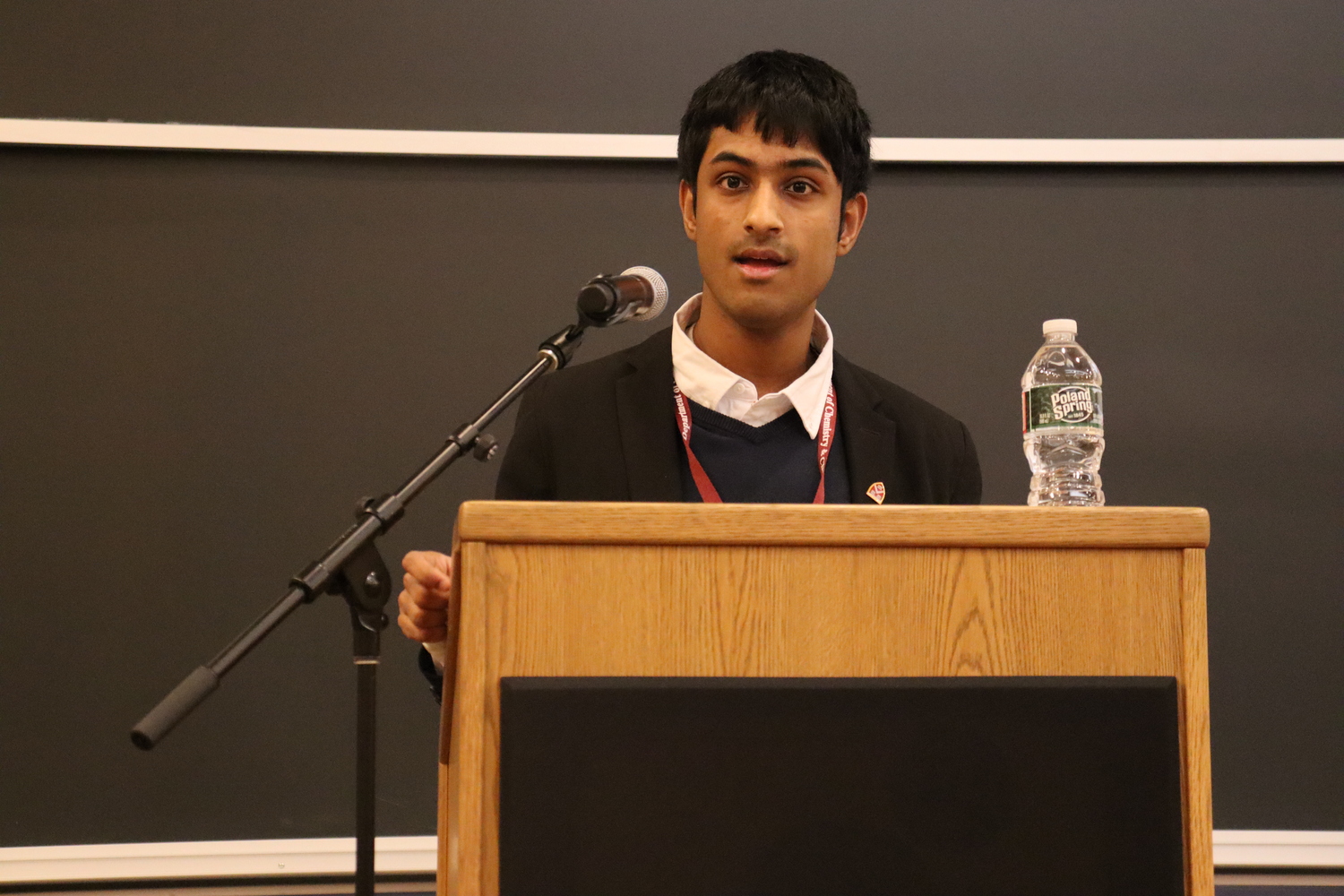
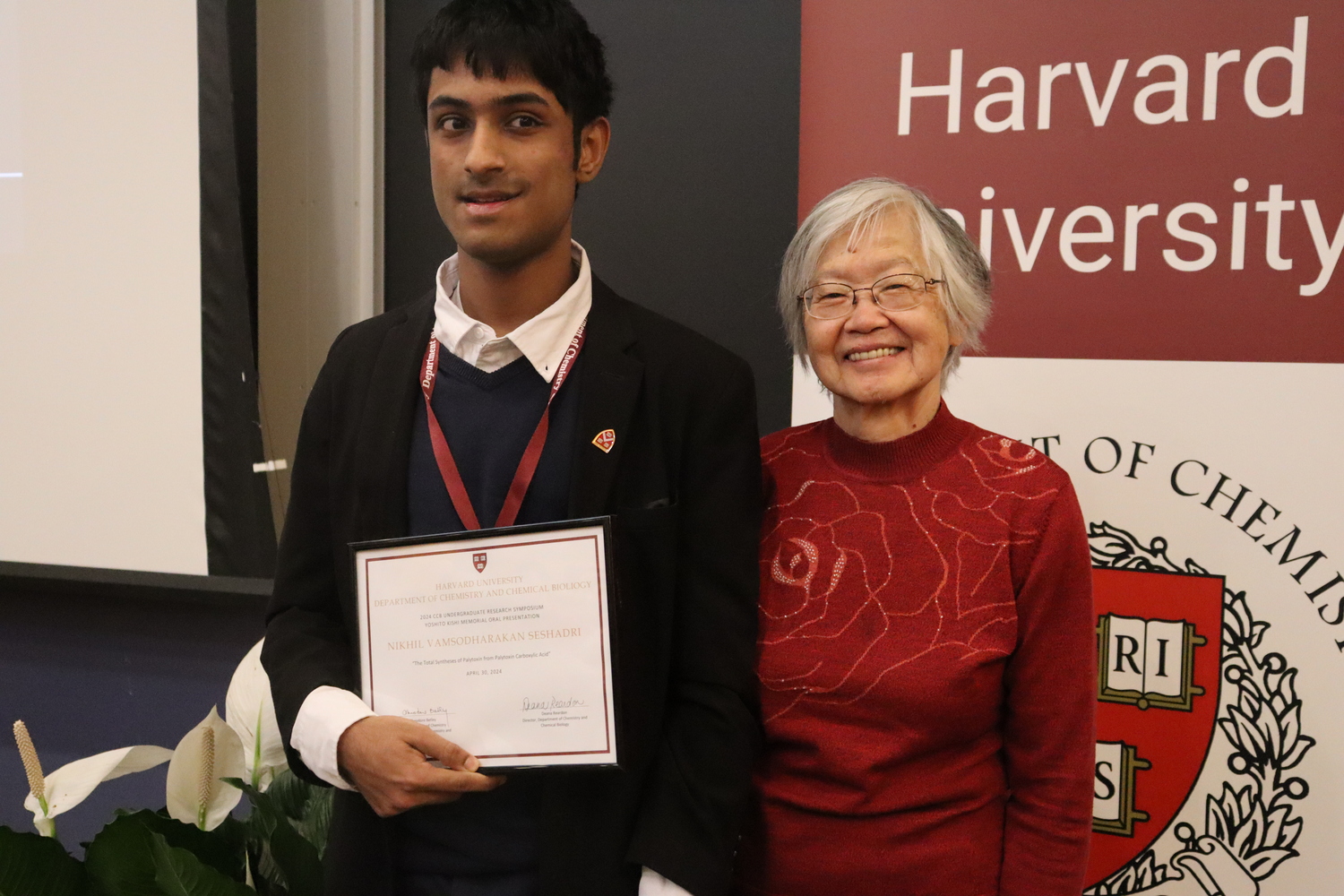
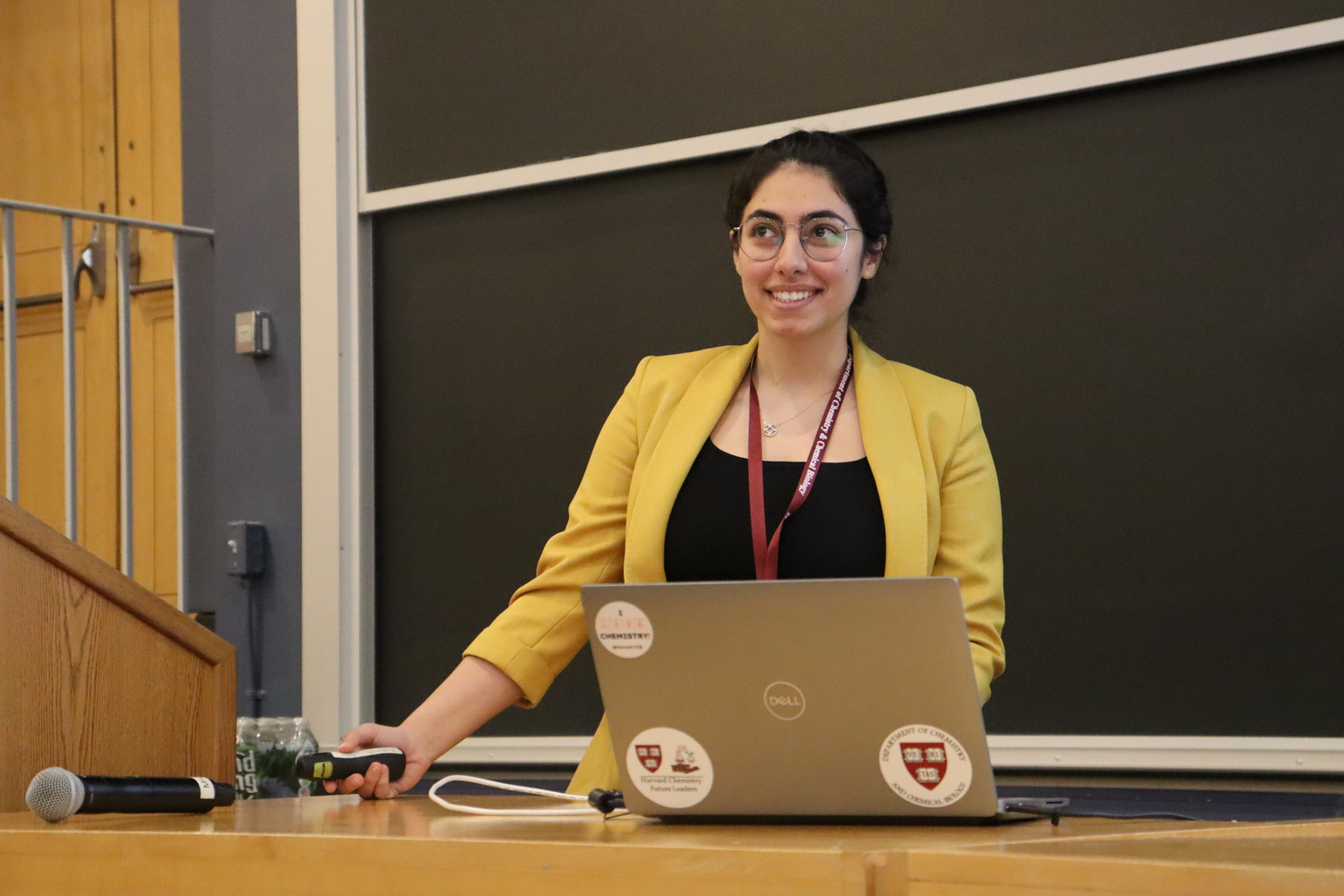
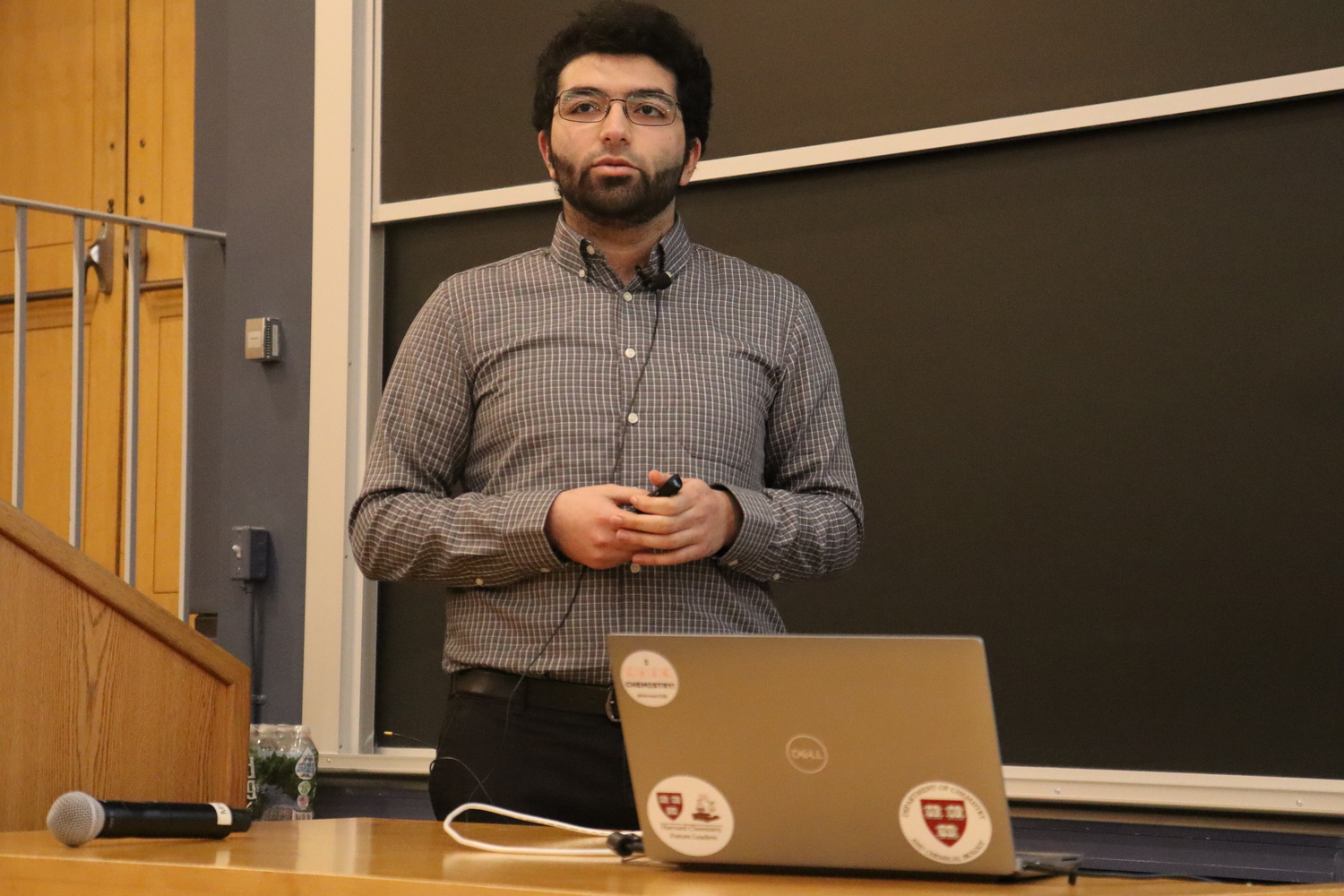
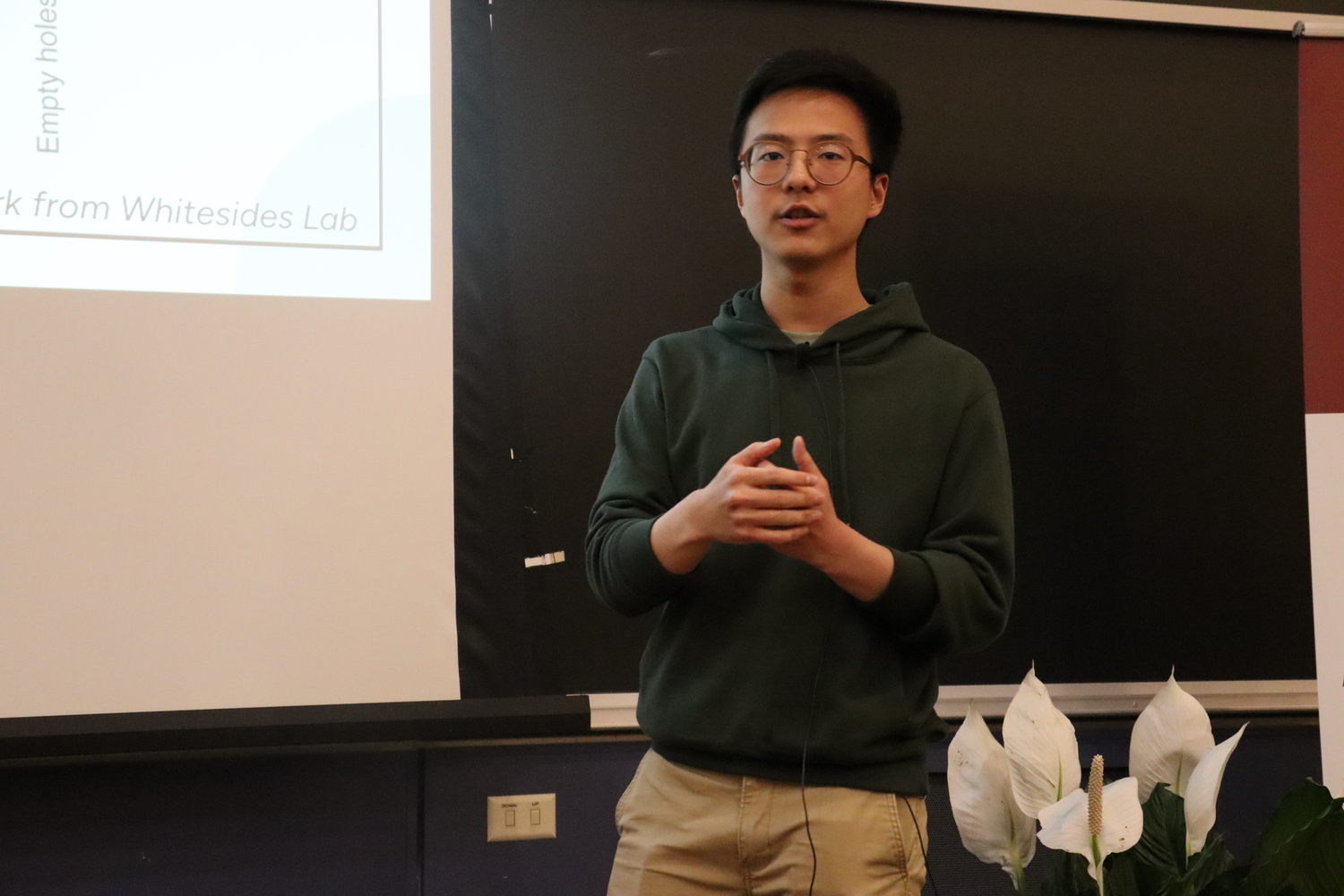
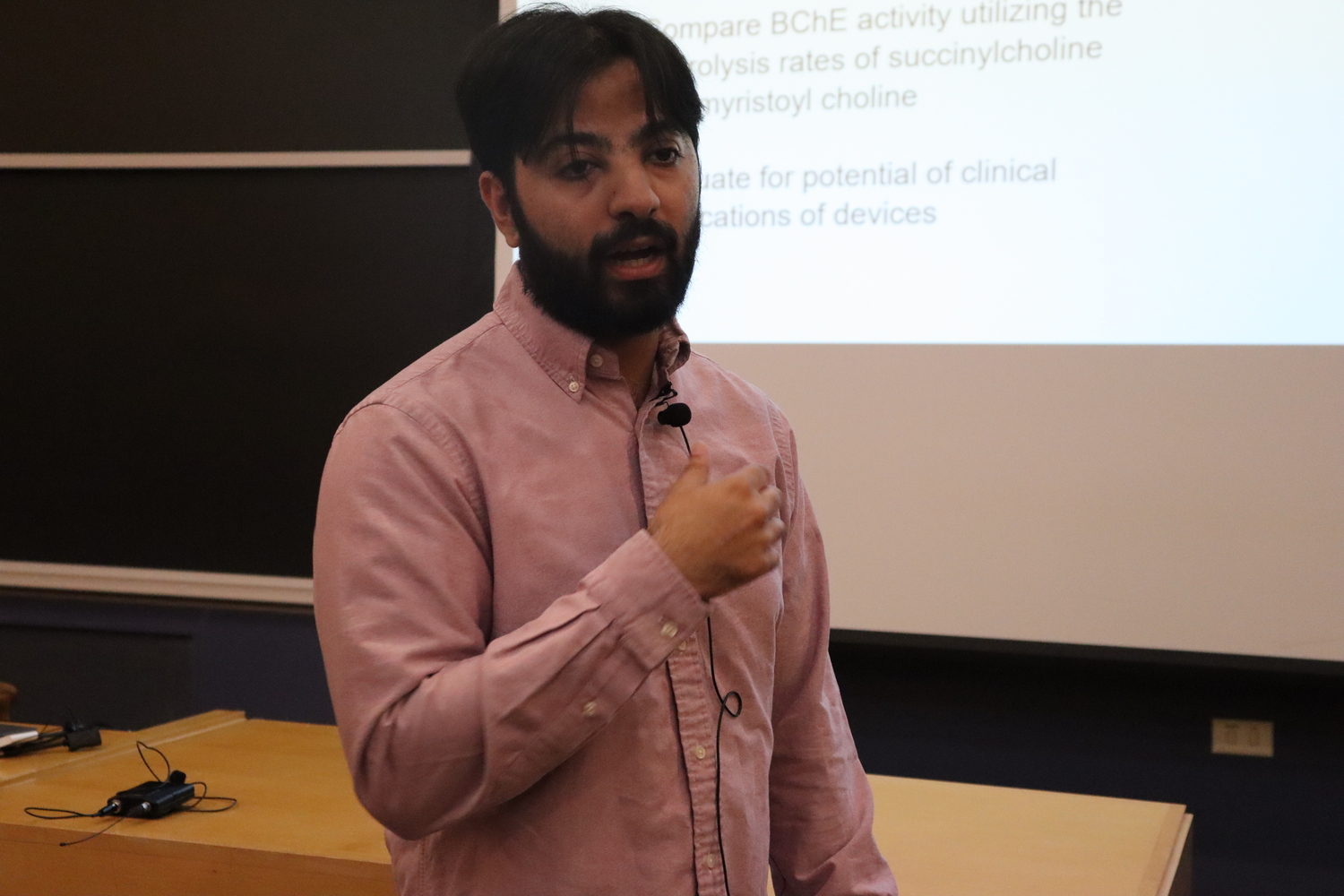
Nikhil Seshadri kicked off the undergraduate oral presentations with a talk about Kishi’s groundbreaking total synthesis of palytoxin, which is one of the greatest achievements in the history of the field because of the complexity of the molecule.
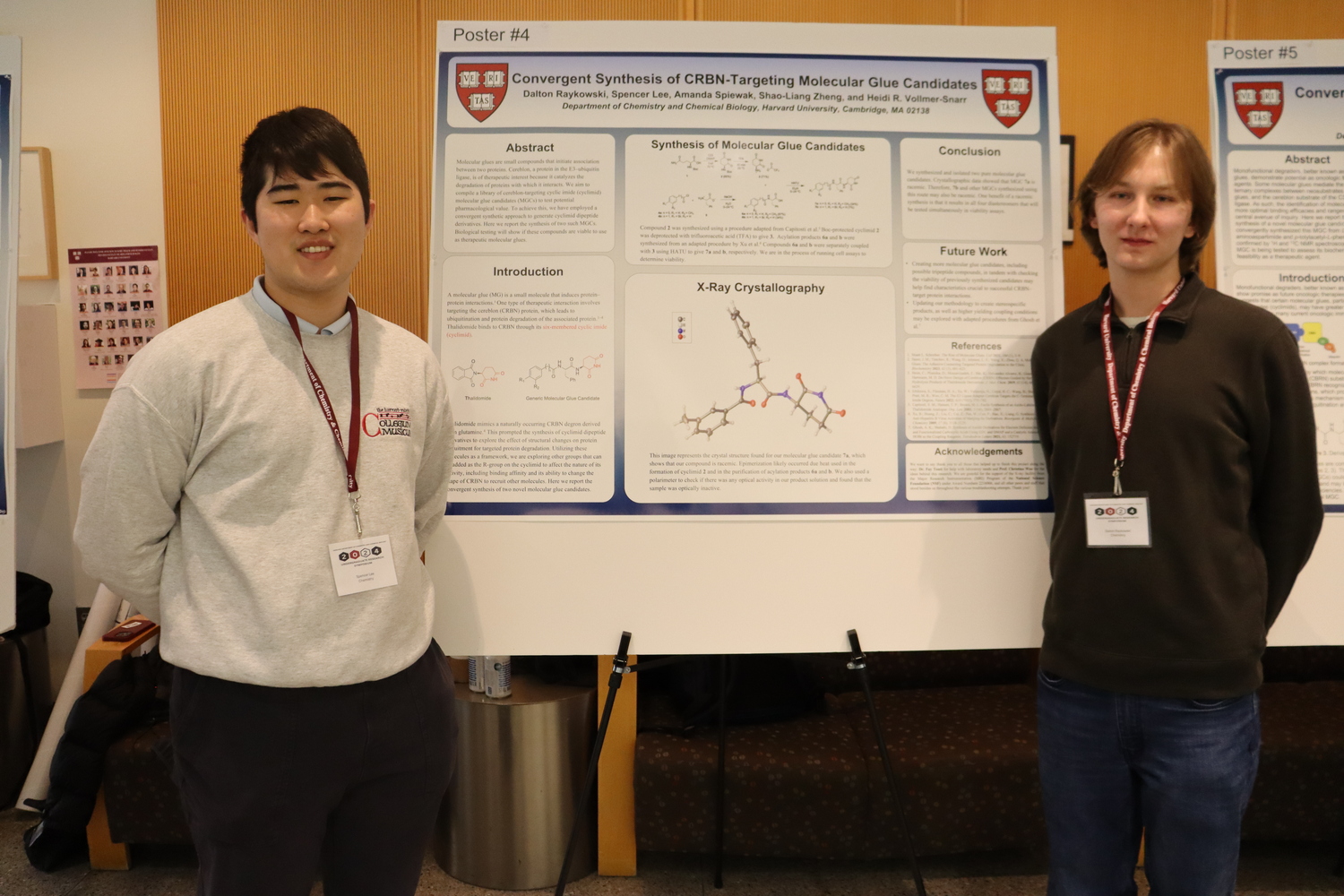
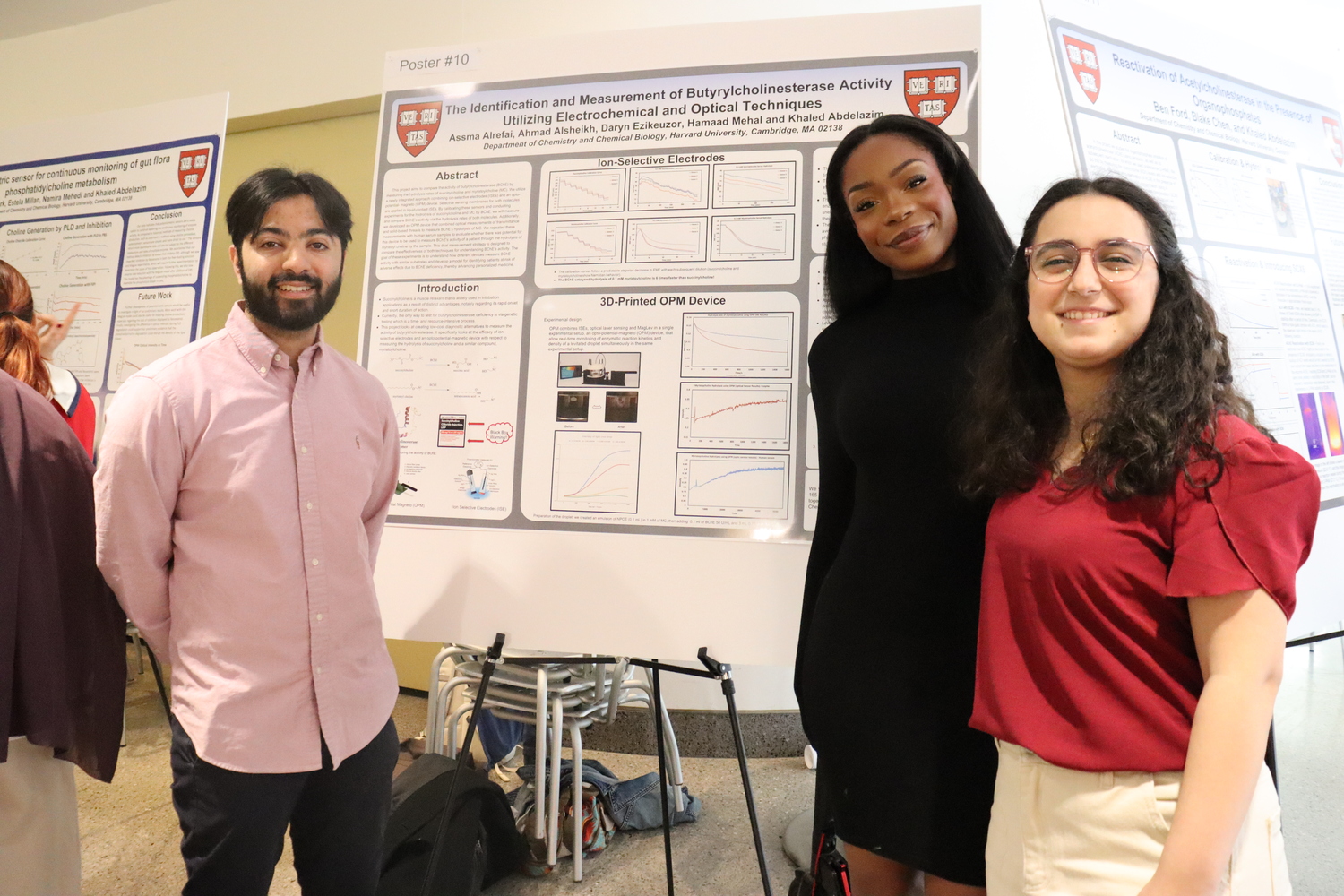
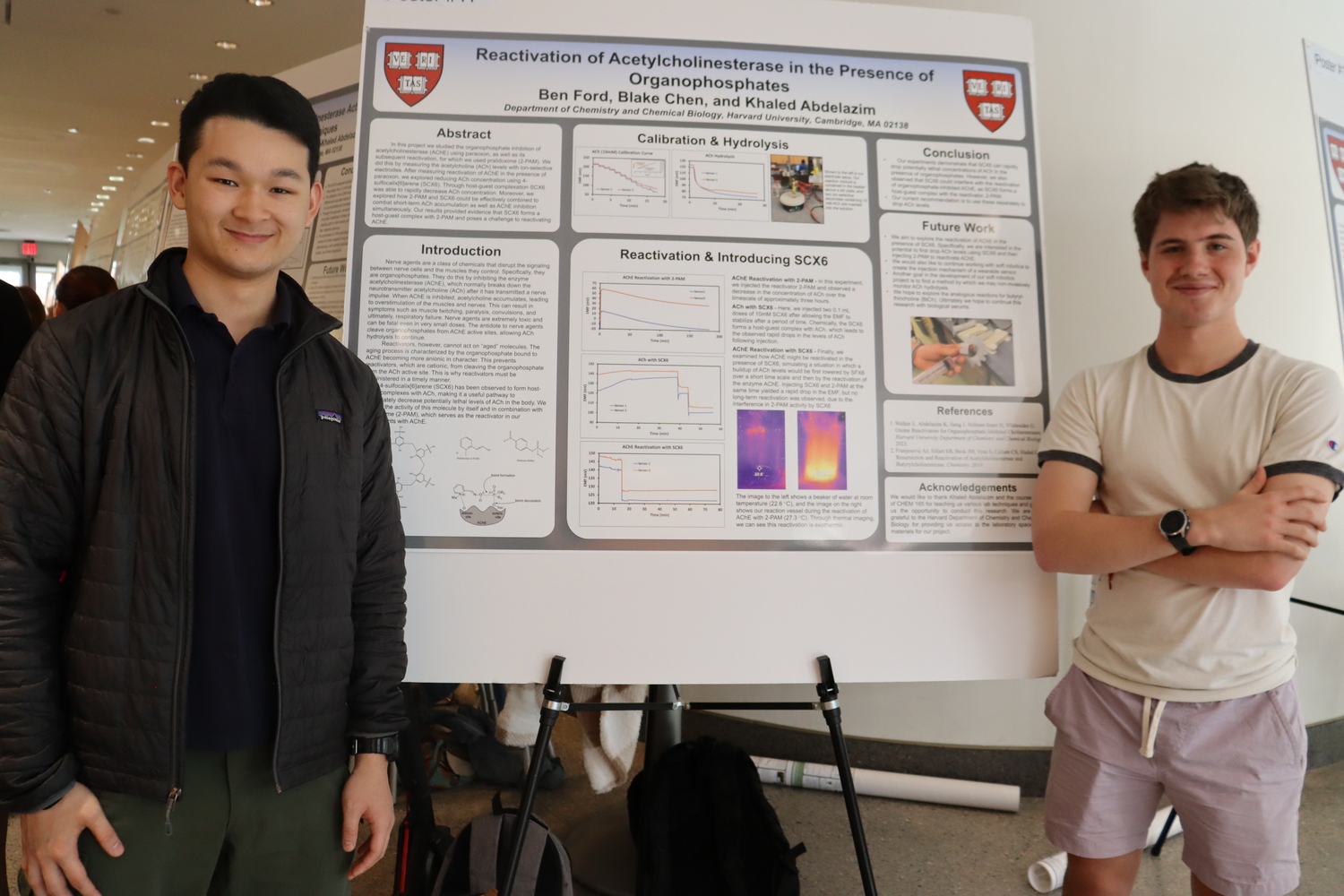
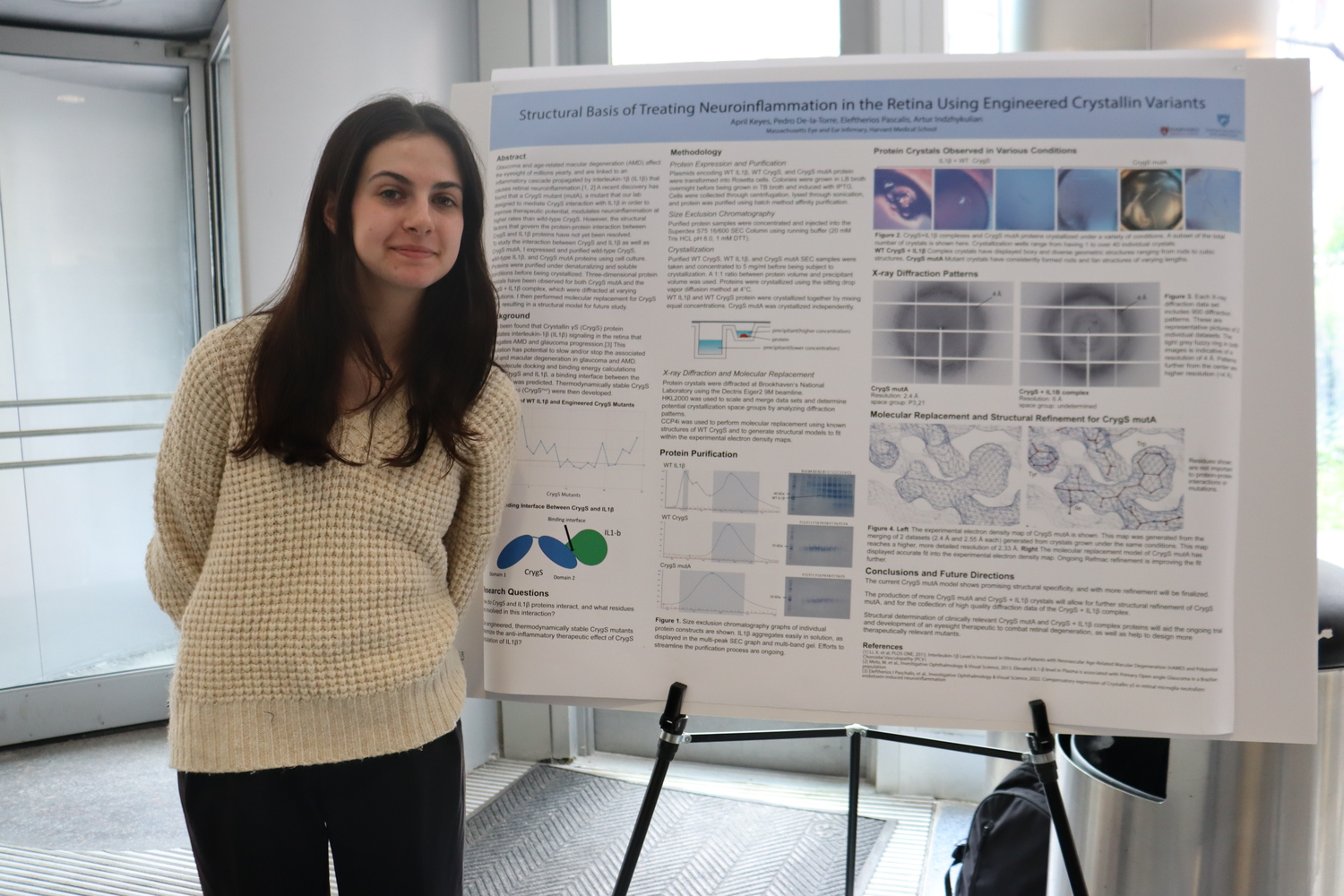
The event also provided an opportunity for students to connect with their peers and alumni, and to learn about the research being conducted in other areas of the department. In addition, the presentations allowed students to practice communicating about their research subjects and processes.
The symposium has been a priority for CCB which collected abstracts for both oral and poster sessions and produced the event.
“The success and impact of the symposium is crucial for all stakeholders within the CCB community and beyond, including undergraduate students, researchers, faculty, and staff,” said Dilek Dogutan, Principal Research Scientist and CCB Lecturer. “The symposium brings us together and helps advancing various domains of academic research. Undergraduate students represent an important part of the overall academic workforce, and the symposium highlights their contributions and supports their education and training.”
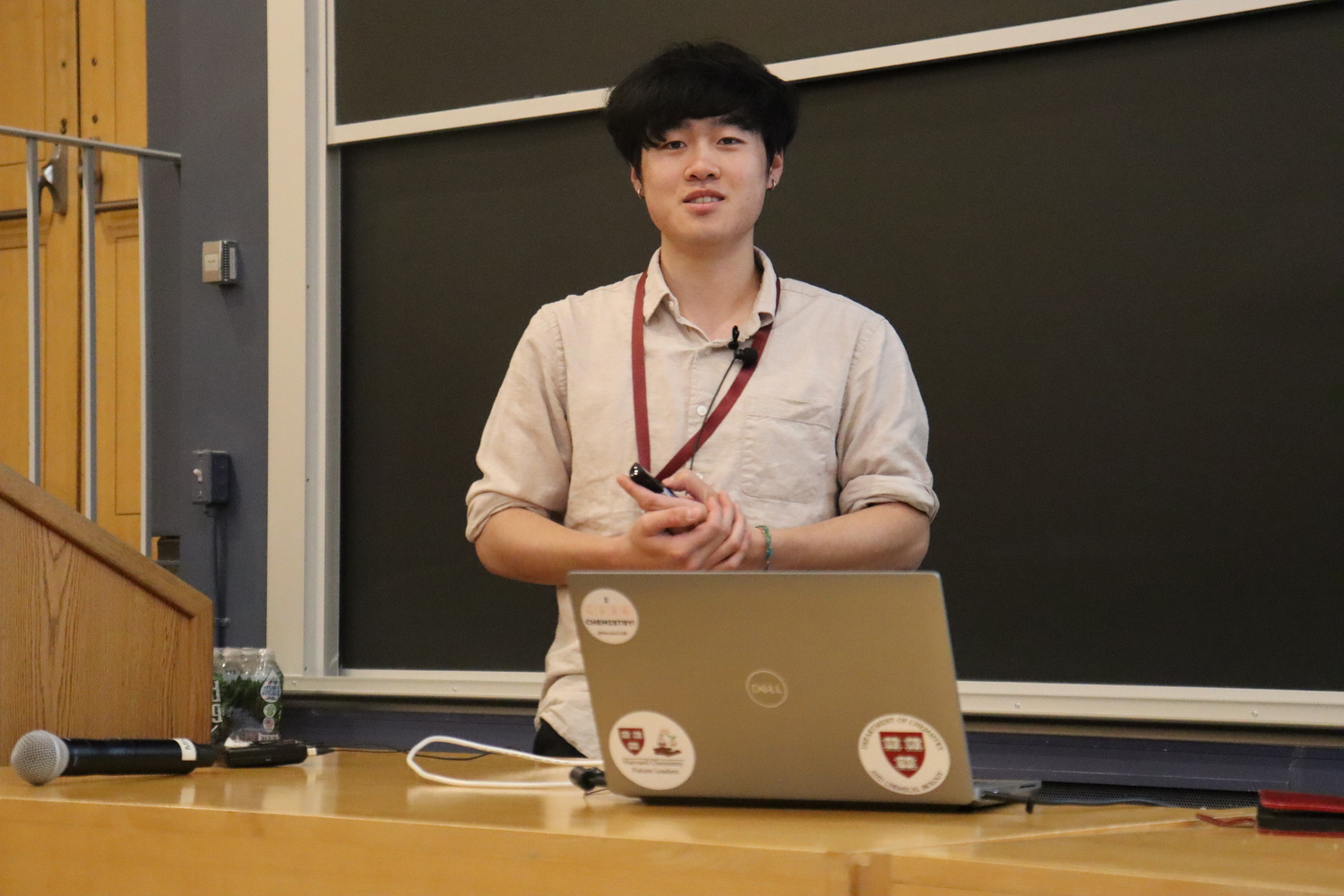
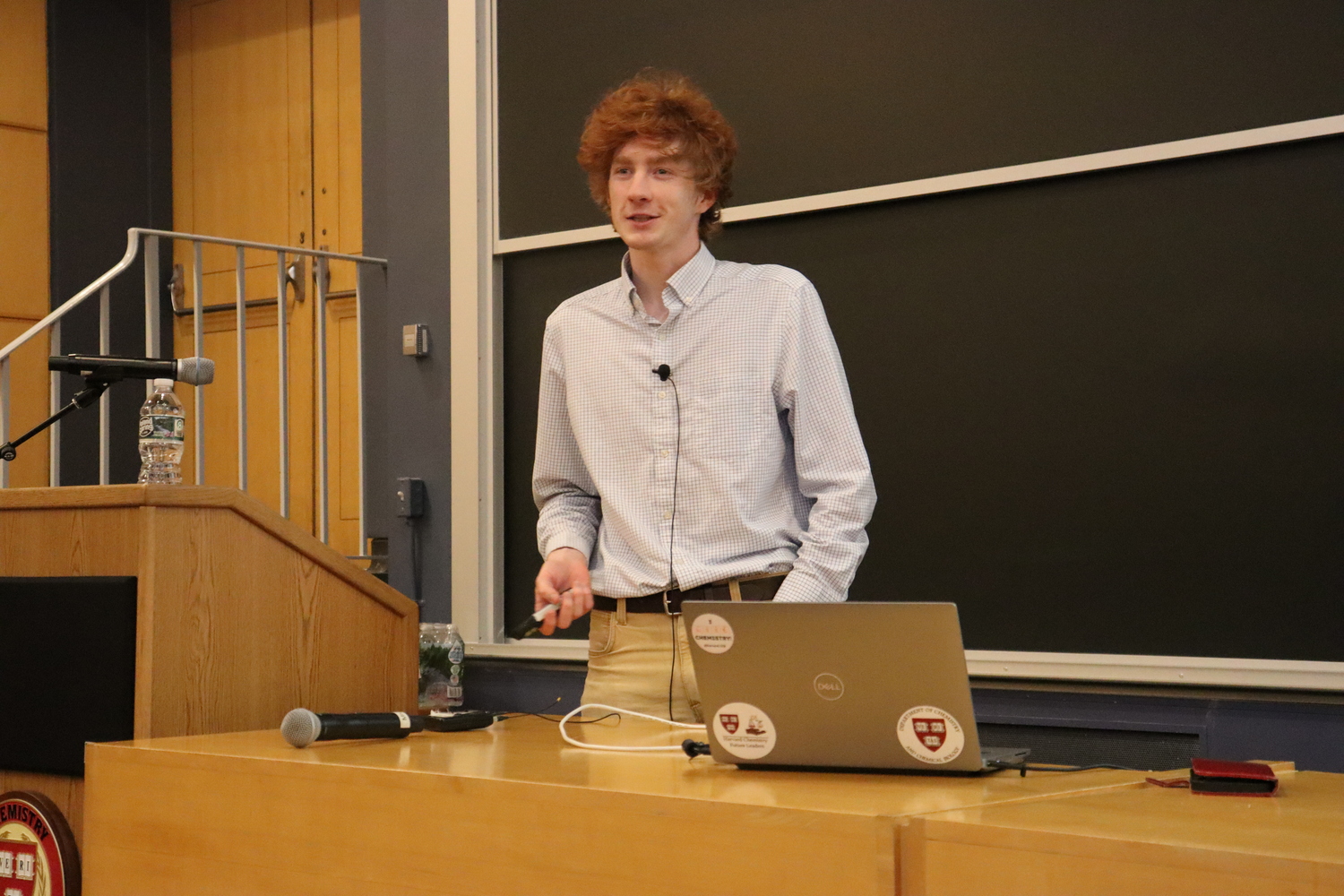
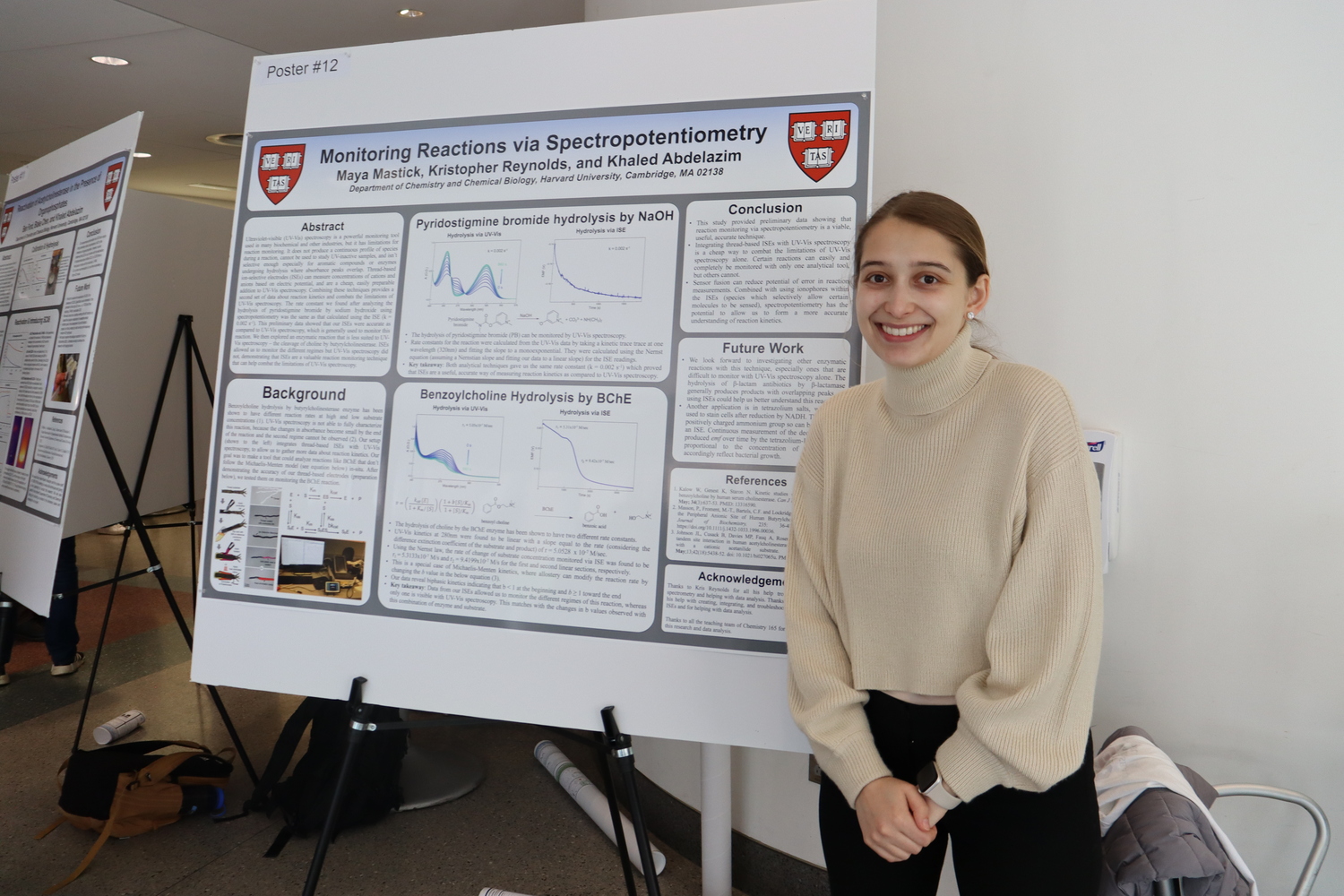
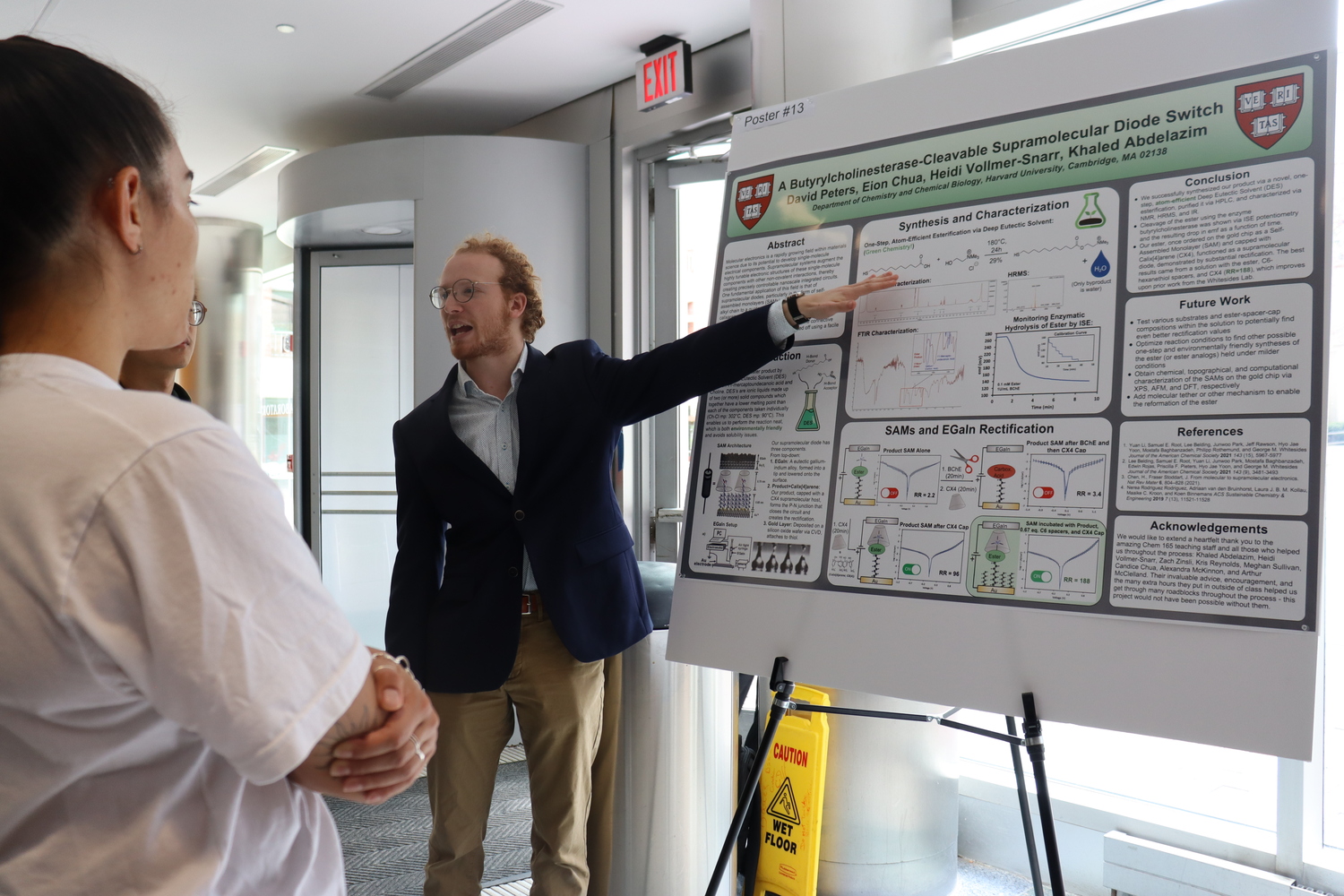
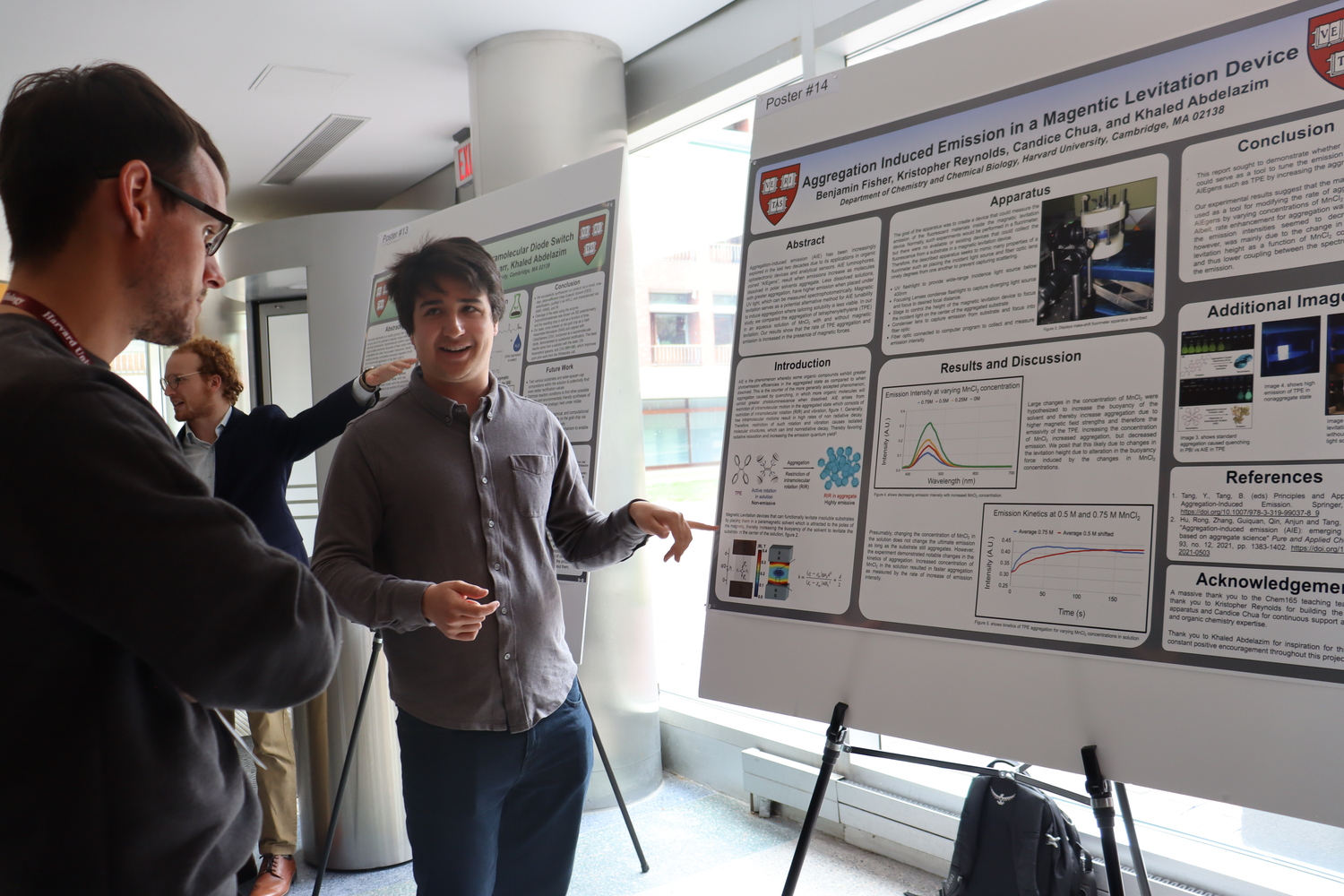
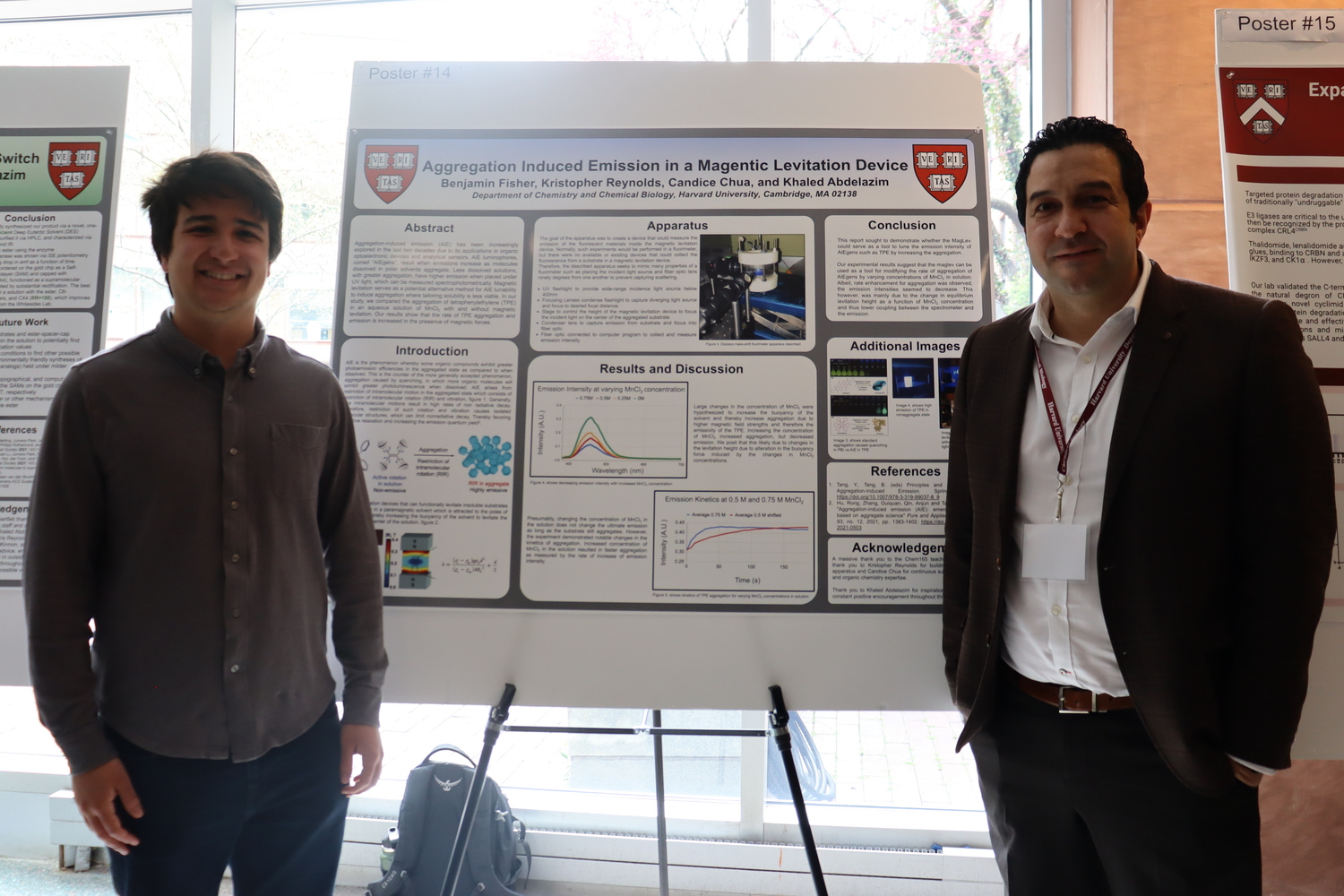
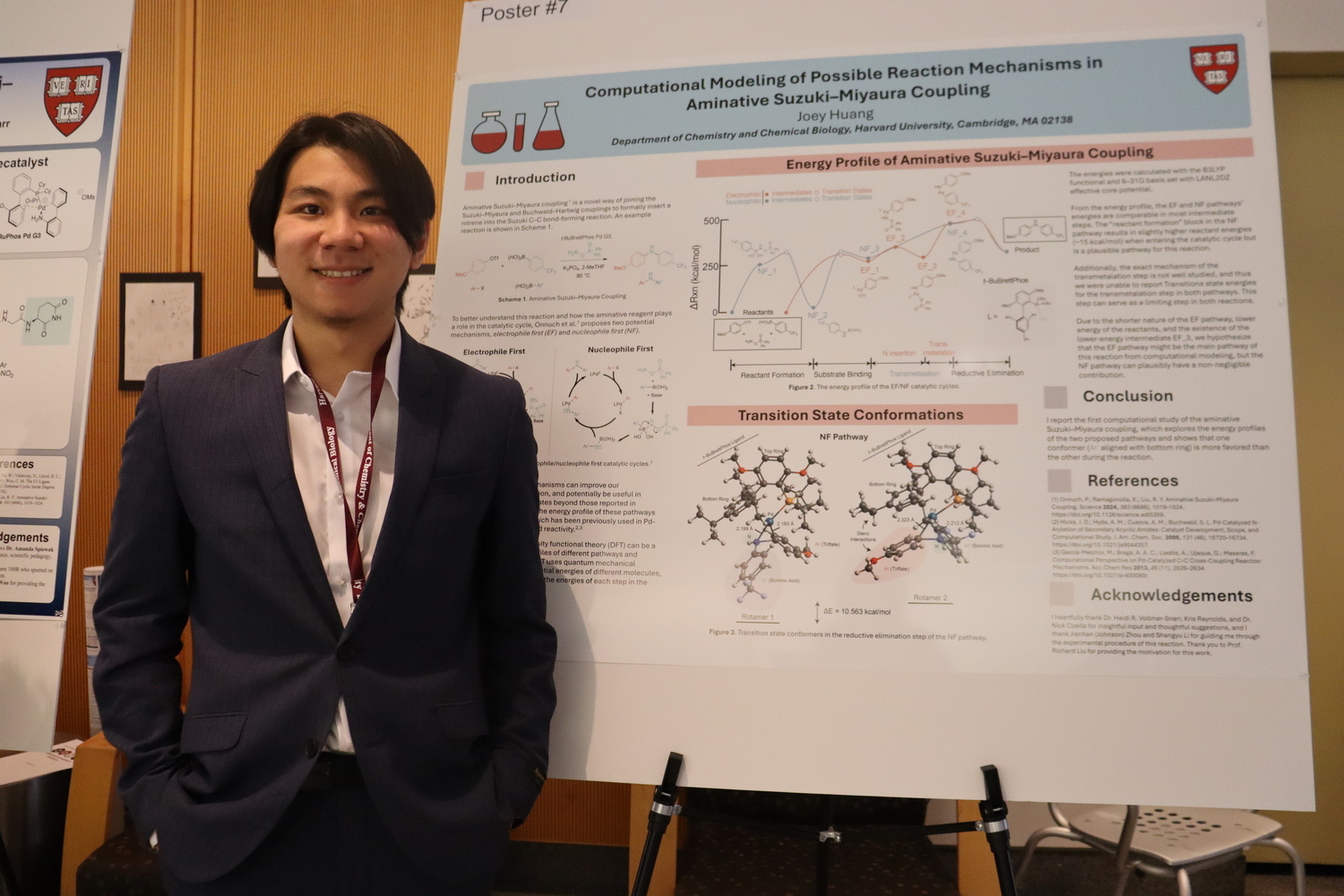
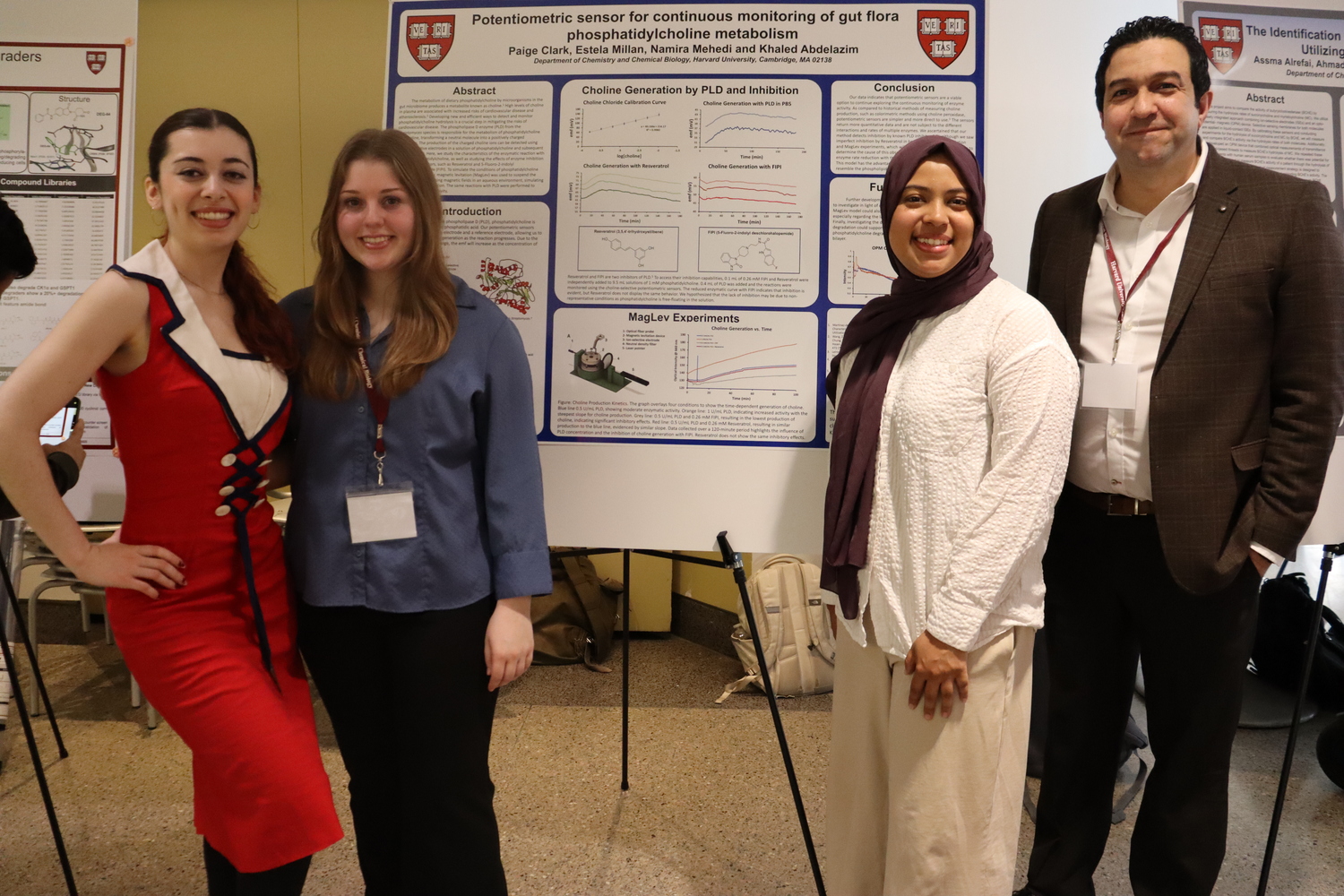
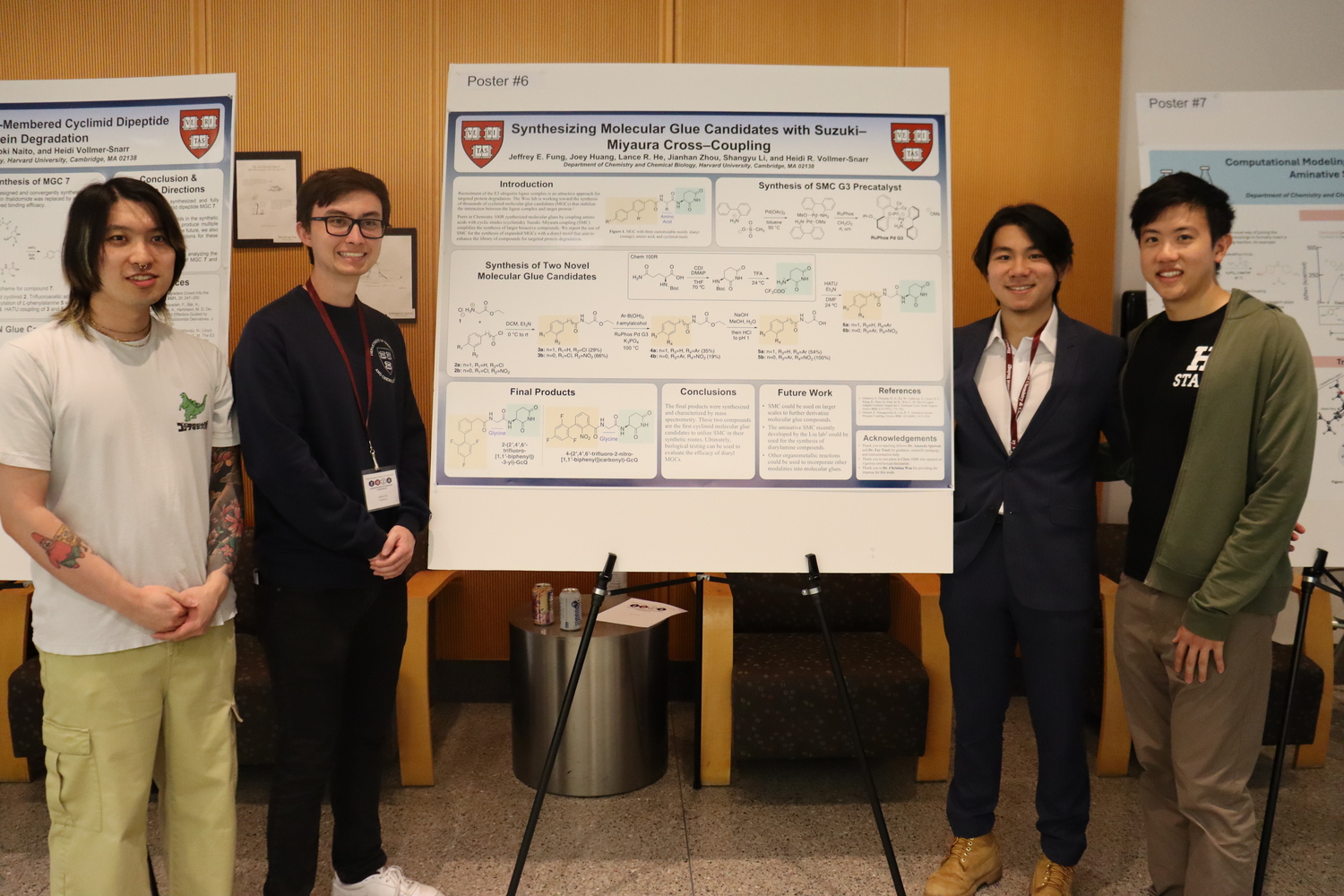
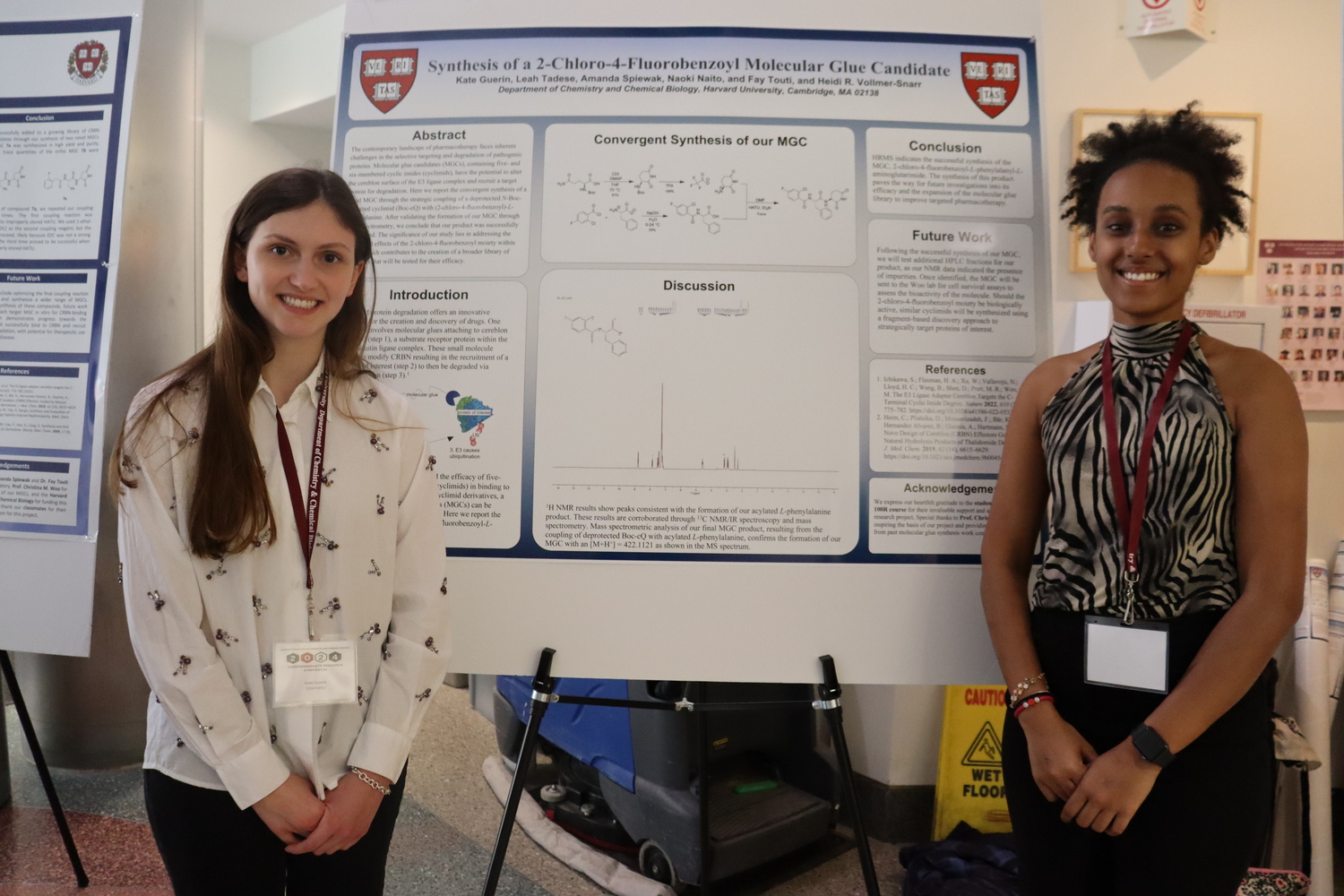
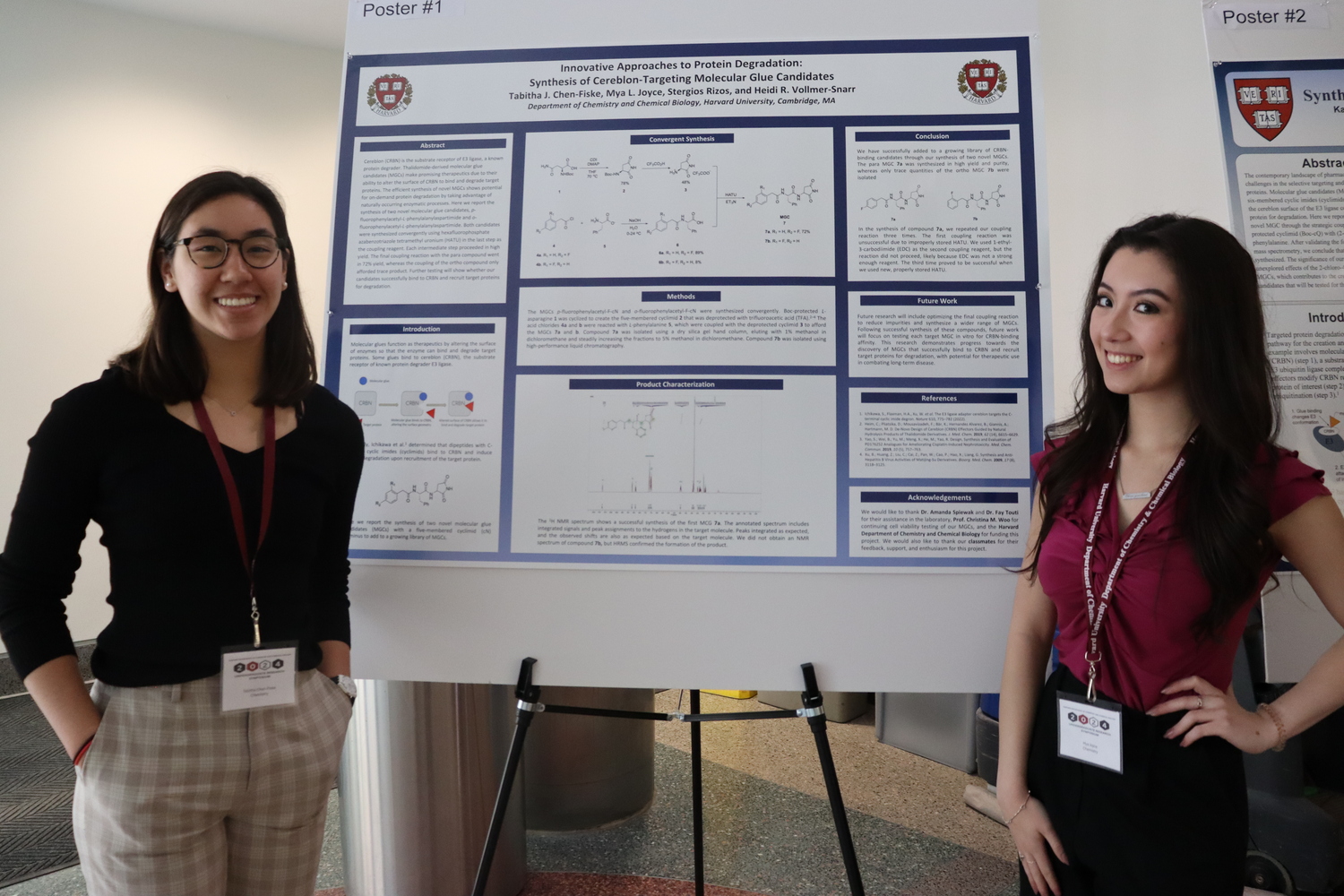
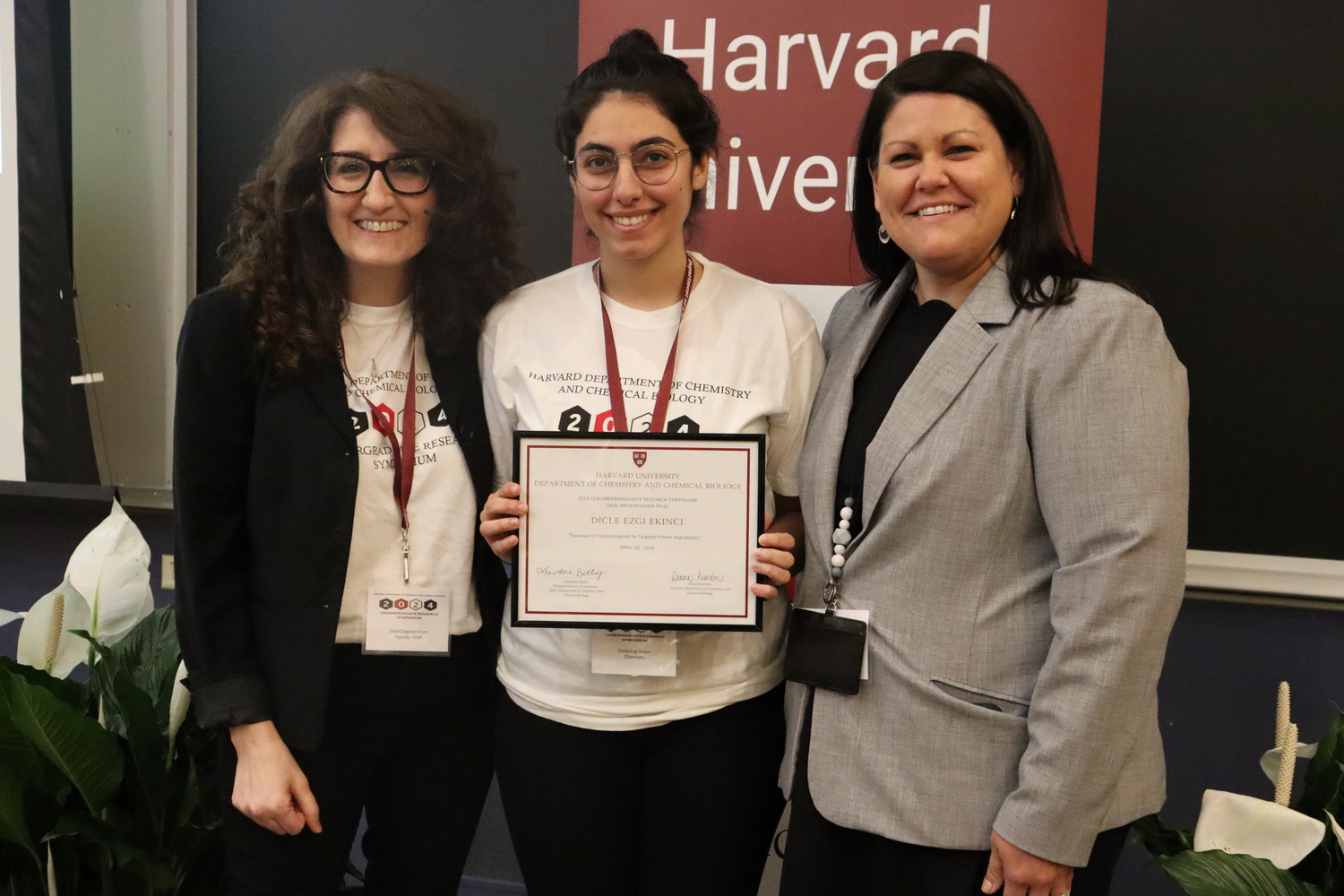
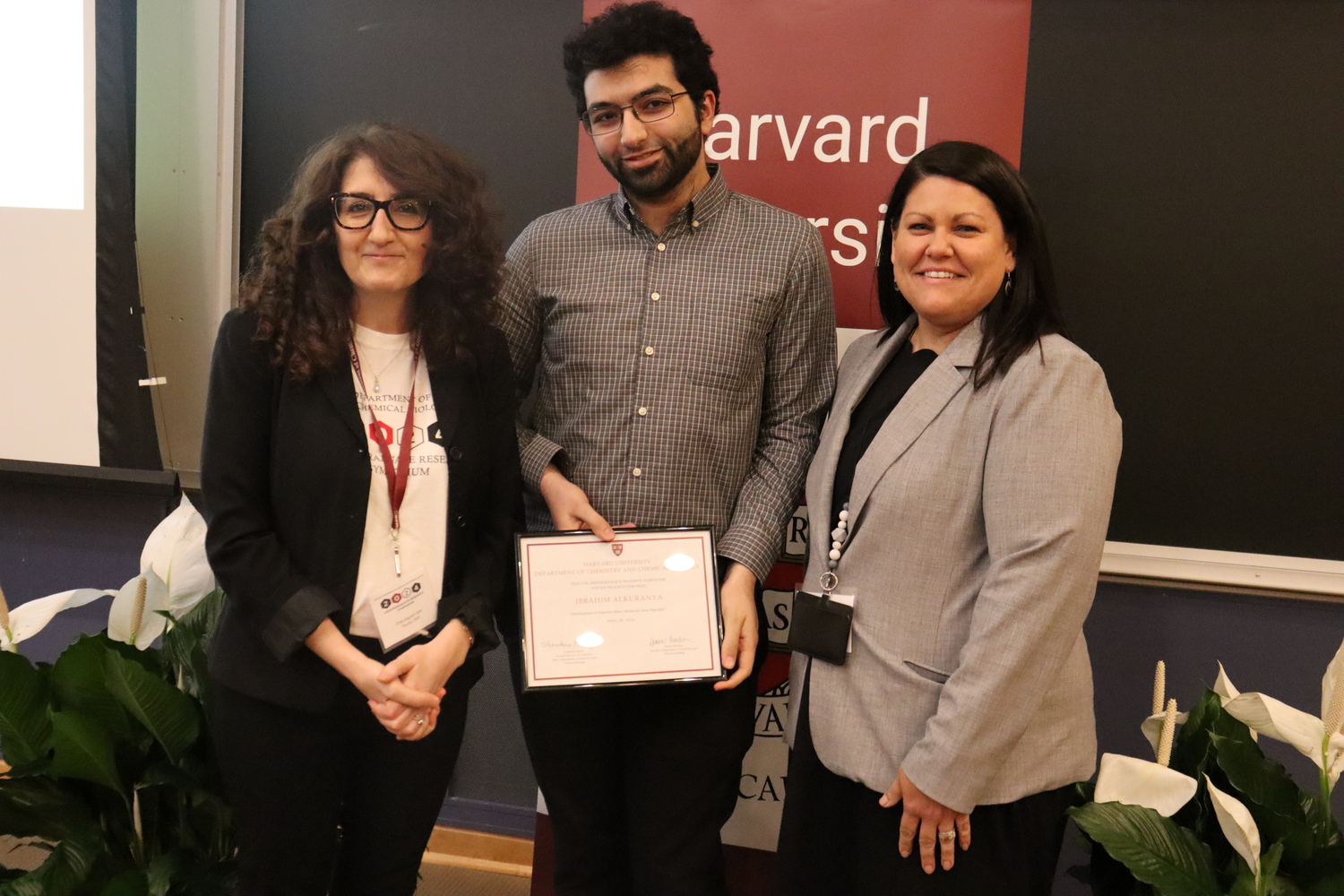
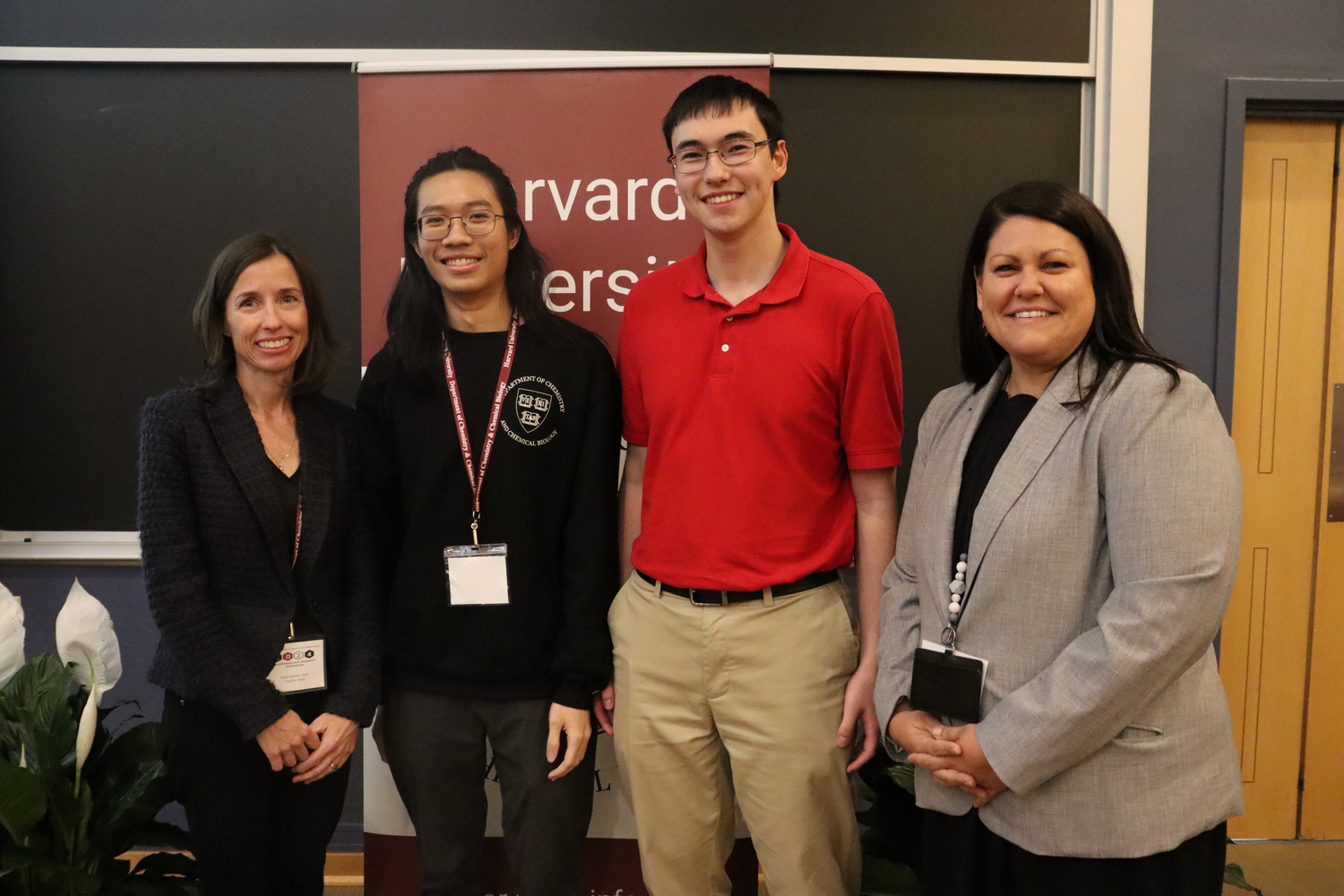
In total, 18 undergraduate students participated in the oral presentations, and 20 undergraduates presented posters of their research. The top presenters received flowers, trophies, and gift certificates . The award winners are listed below:
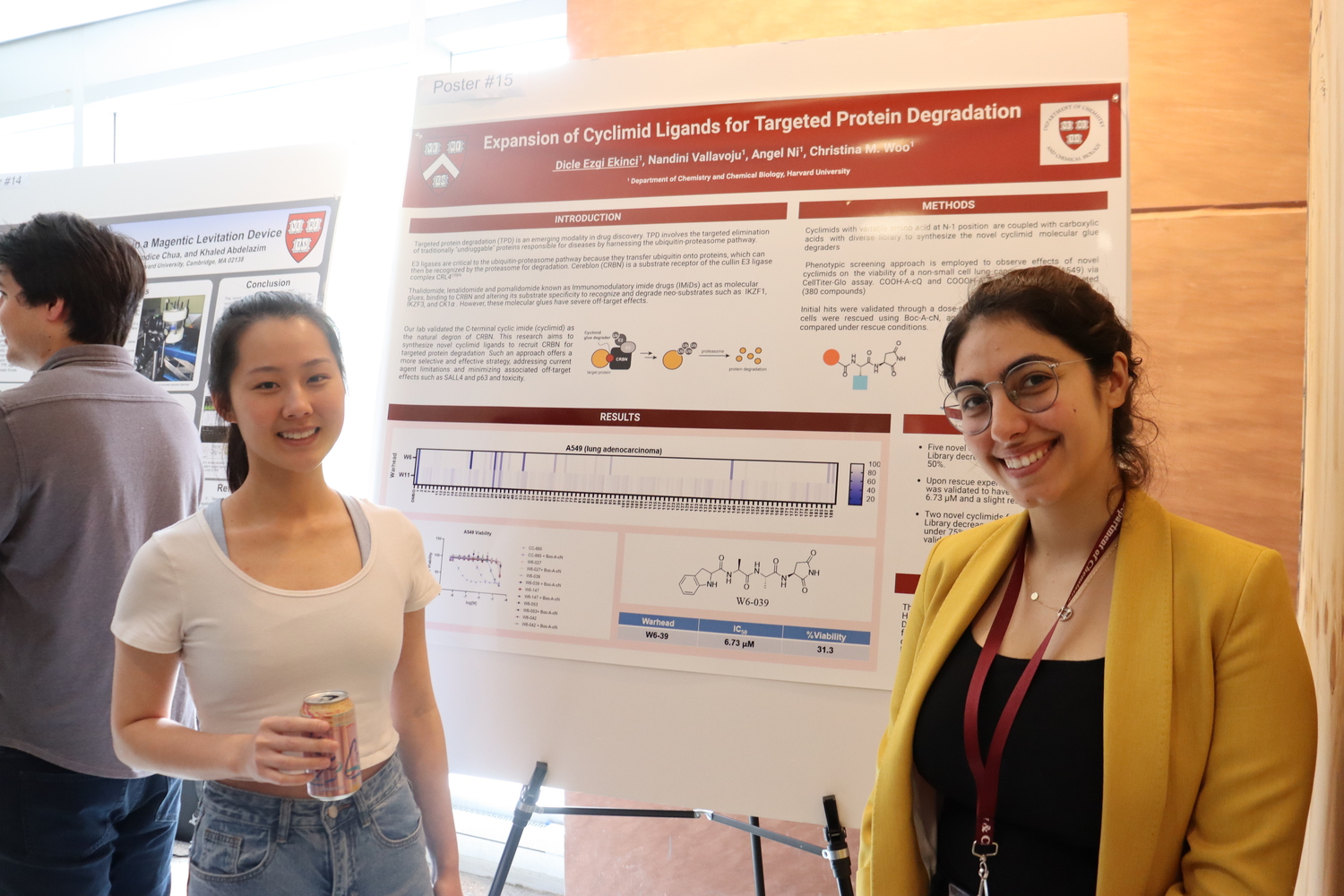
1. The winner of the morning oral presentation session is Expansion of Cyclimid Ligands for Targeted Protein Degradation
Dicle Ezgi Ekinci, Angel Ni, Nandini Vallavoju, Ph.D, Woo Group
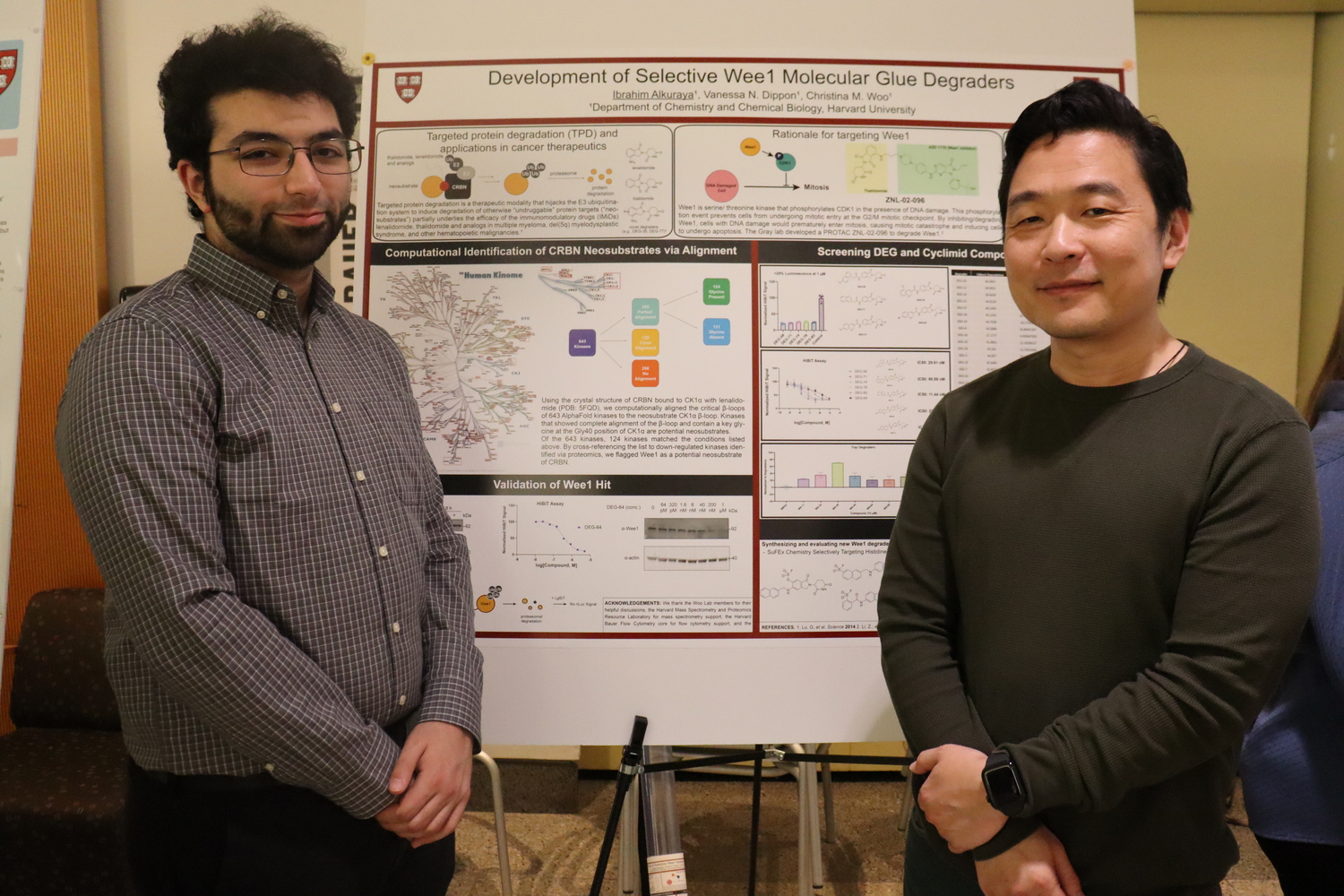
2. The winner of the poster session is Development of Selective Wee1 Molecular Glue Degrader
Ibrahim Alkuraya, Vanessa N. Dippon, Woo Group
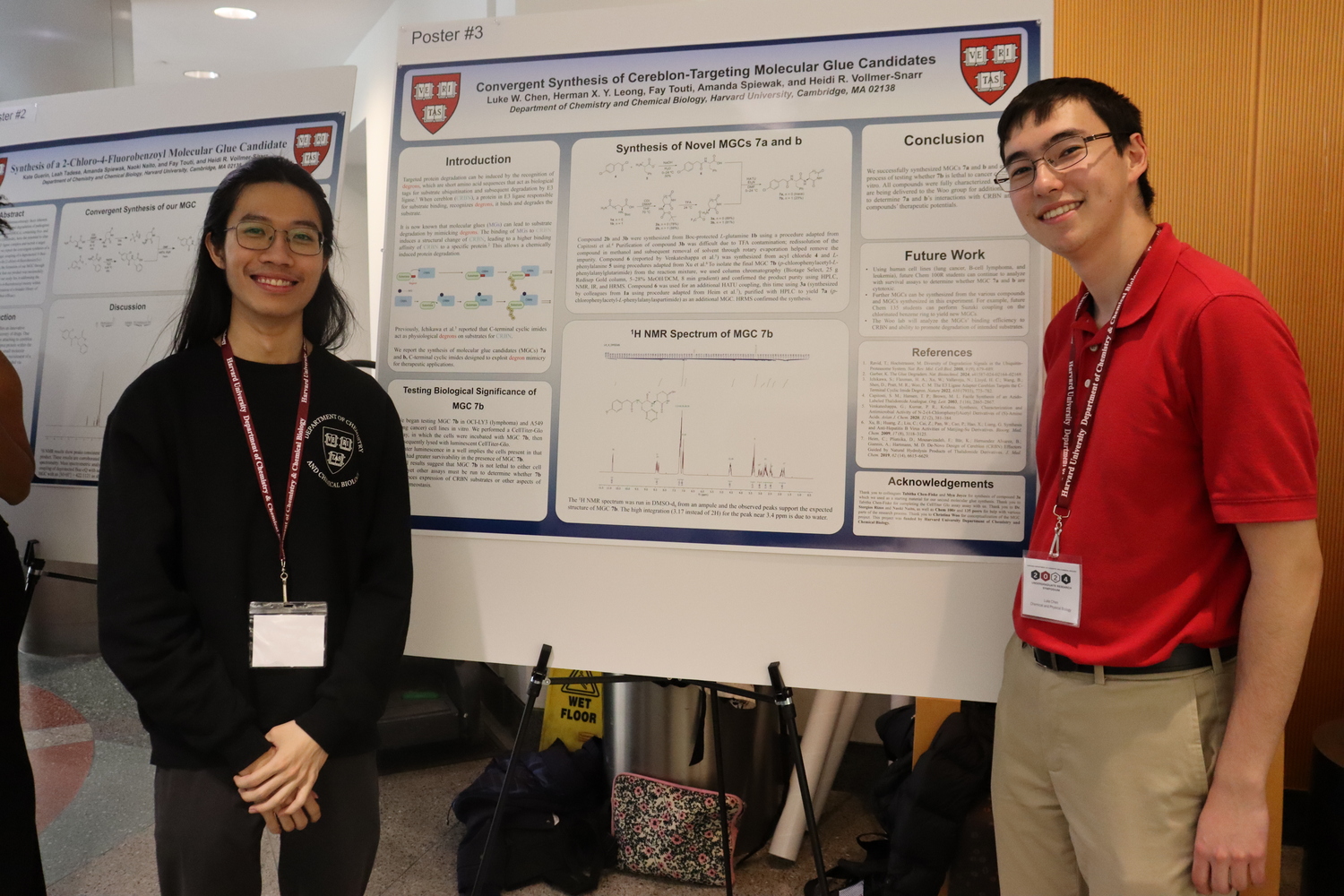
3. The winner of the afternoon oral presentation session is Convergent Synthesis of Cereblon-Targeting Molecular Glue Candidates
Herman Xin Yang Leong, Luke Chen, Dr. Heidi Vollmer-Snarr, Chem 100R
Photos are being updated and added below: