Star-Friedman Challenge funds three CCB faculty members' projects
How can we keep transplanted organs oxygenated longer? How can we create chiral molecules with precise control?
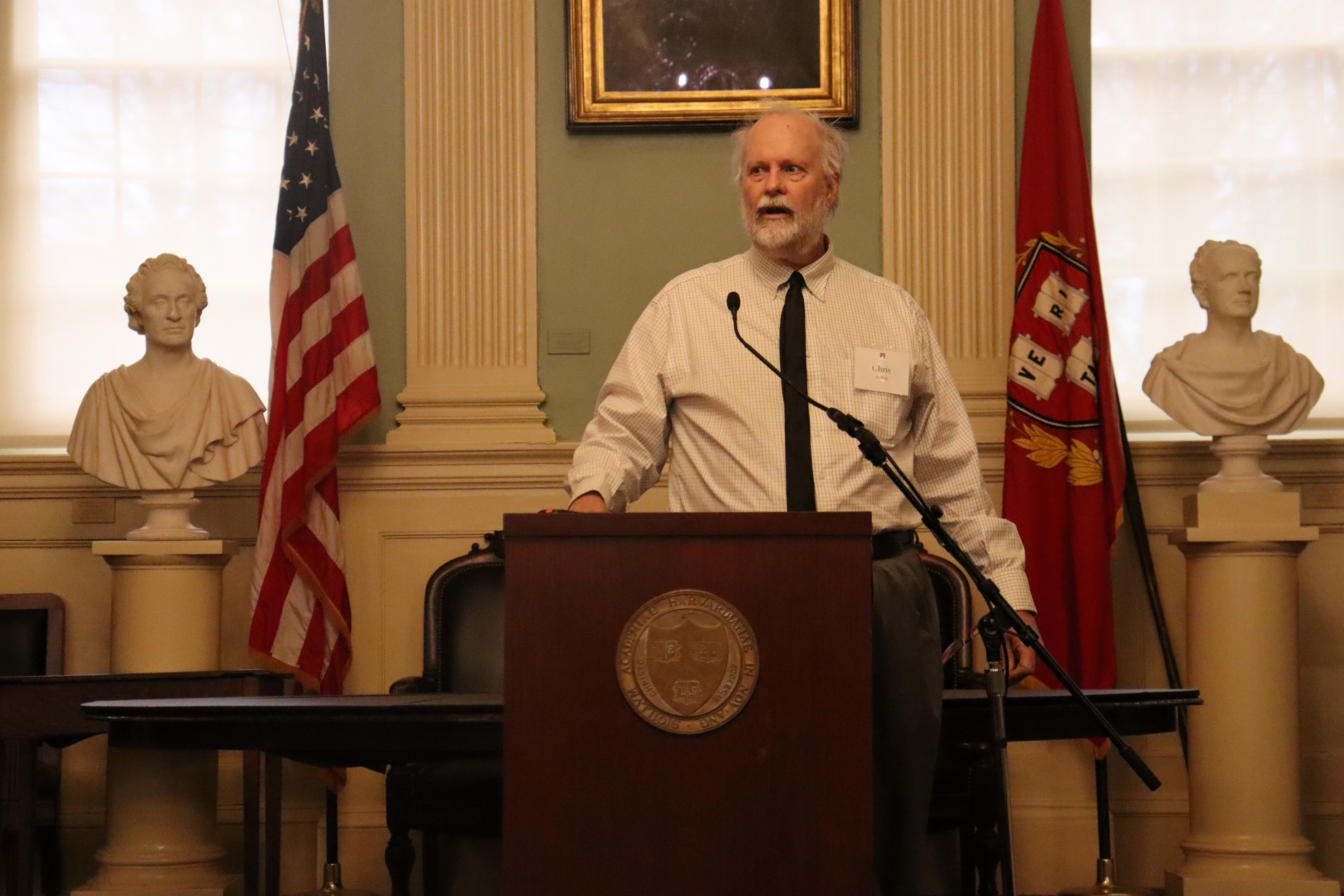
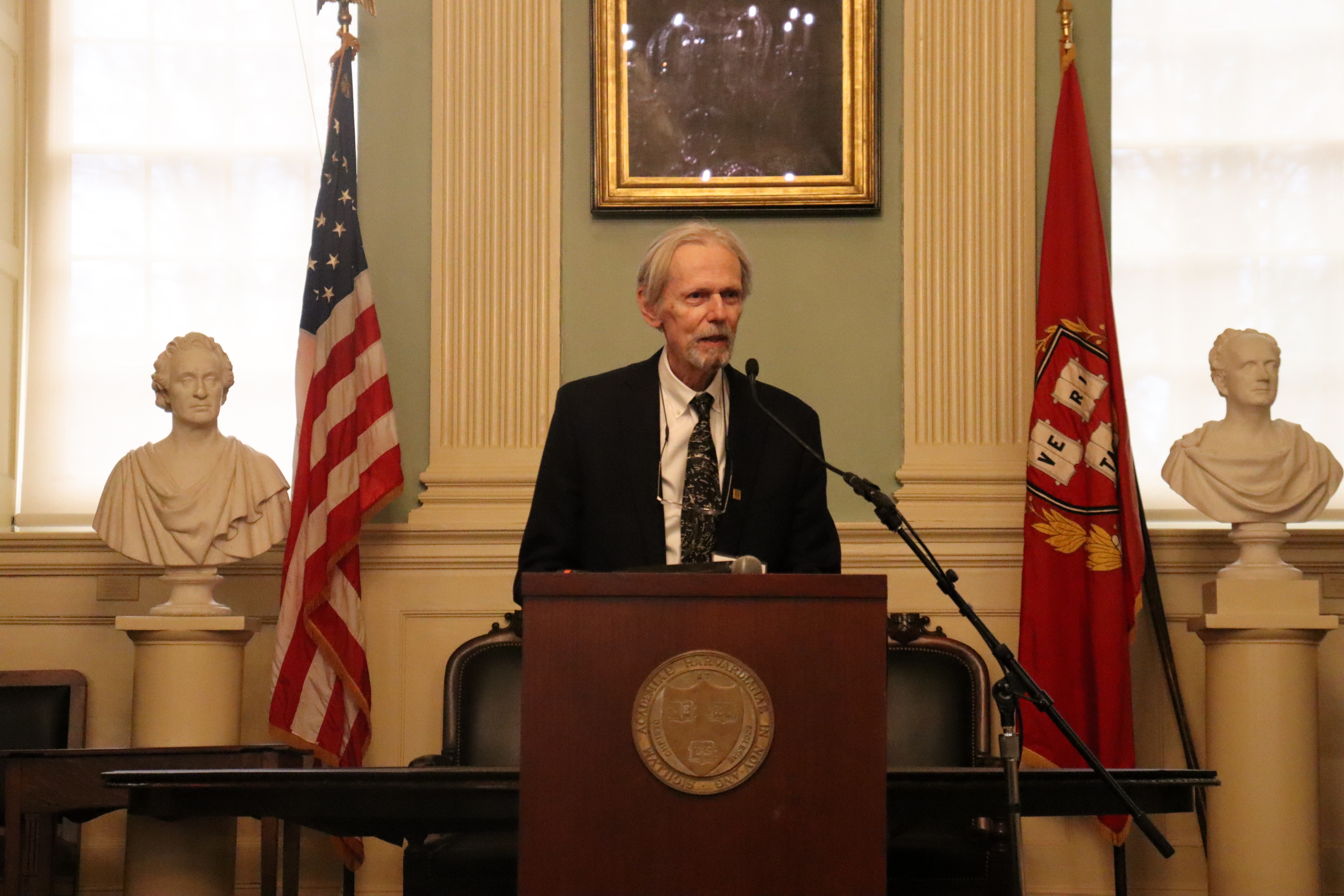
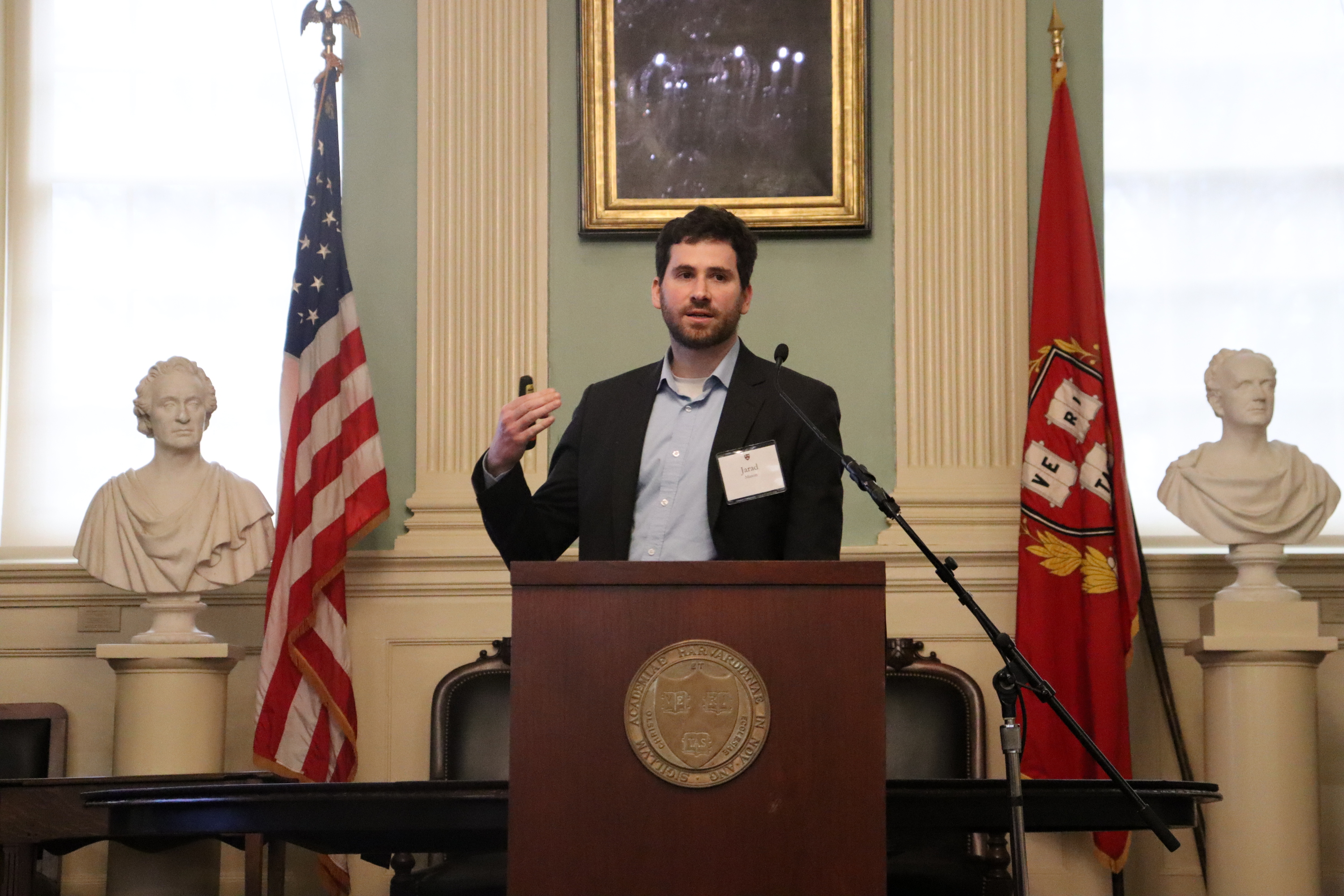
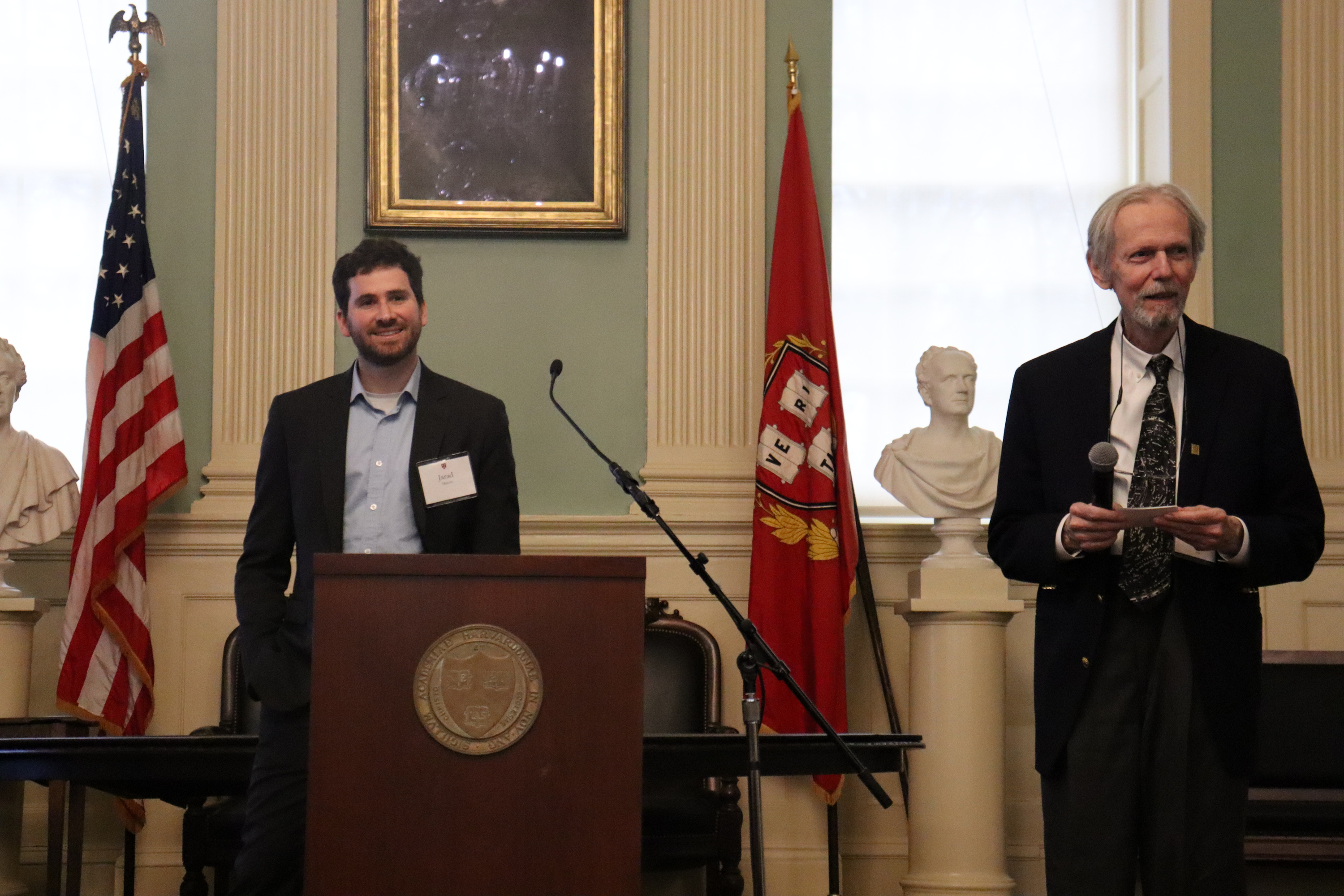
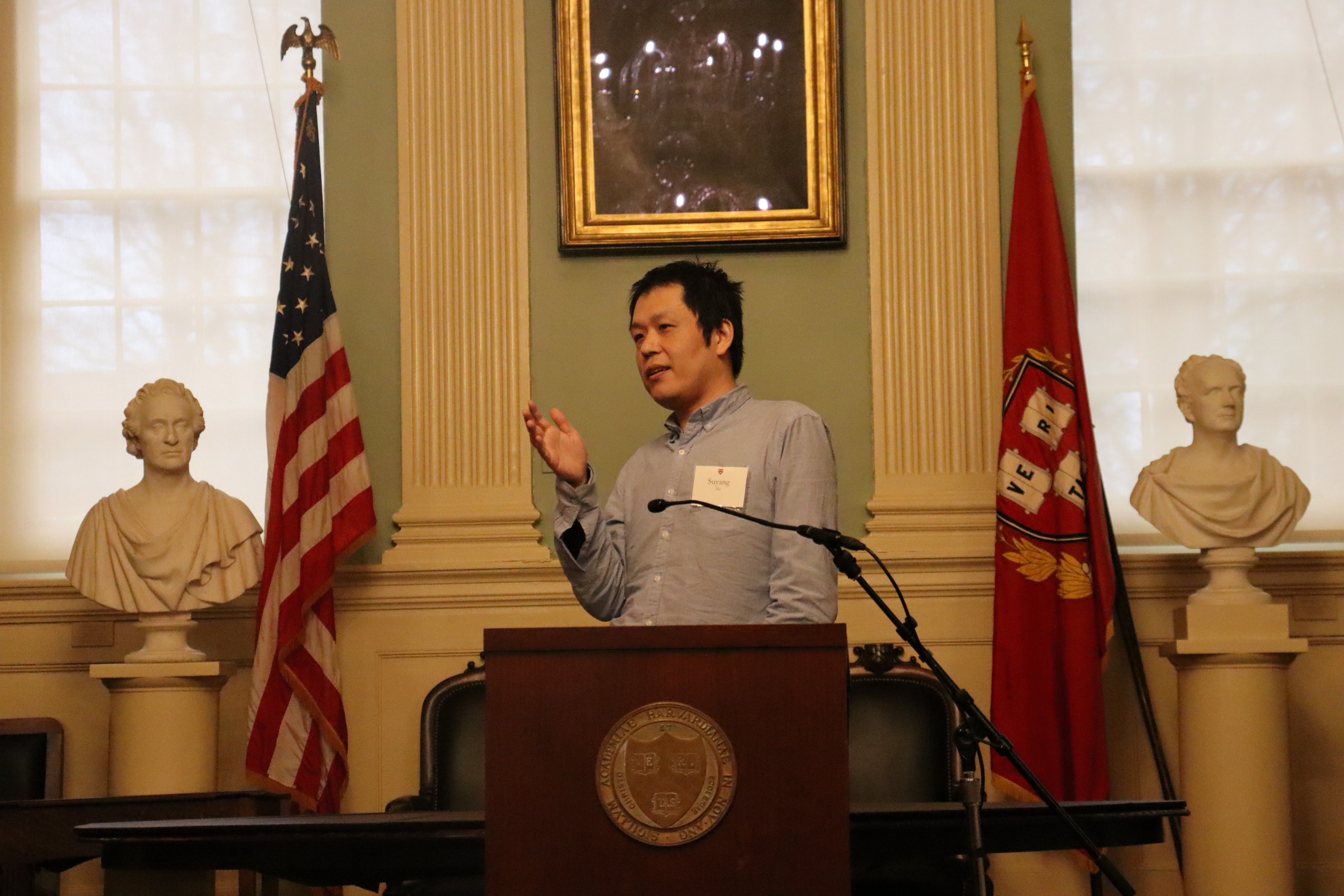
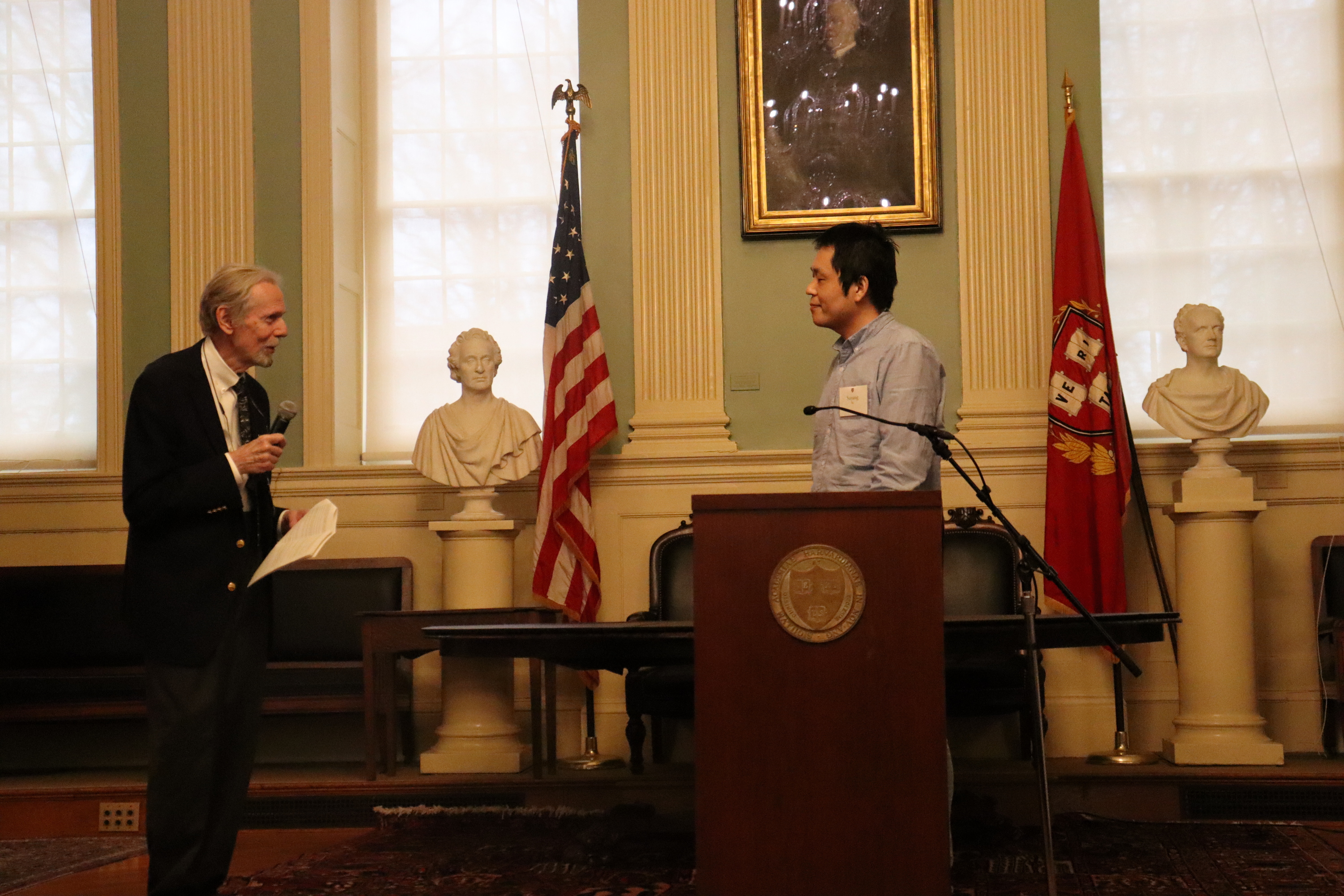
The CCB winners of this year’s Star-Friedman Challenge for Promising Scientific Research are pursuing the answers to these questions. The CCB researchers selected for this year's awards were Suyang Xu, Joonho Lee, and Jarad Mason. On Thursday, April 18, winners of the Star-Friedman Challenge discussed their projects and fielded questions from an audience in the Faculty Room of University Hall.
In its eleventh year, the challenge annually awards nearly $1 million in seed funding to Harvard researchers to provide seed funding to interdisciplinary high-risk, high-impact projects in the life, physical, and social sciences. There are no limitations on the subject areas and programs that take the investigators in directions that are new for them are encouraged. Chaired by Charles Alcock, Donald H. Menzel Professor of Astrophysics, Faculty of Arts and Sciences, the faculty review committee convened and selected seven visionary projects from this year’s impressive wave of research proposals.
Established in 2013 by a generous gift to Harvard University at the suggestion of James A. Star, AB (1983), the program expanded in the 2018-19 academic year through a gift from Joshua Friedman, AB (1976), MBA (1980), JD (1982) and Beth Friedman to invite proposal submissions from Harvard Medical School (HMS), Harvard School of Dental Medicine (HSDM) and the Harvard T.H. Chan School of Public Health (HSPH) in addition to the Faculty of Arts and Sciences (FAS) and the Harvard John A. Paulson School of Engineering and Applied Science (SEAS). The Star-Friedman Challenge was previously supported by immediate-use funding; in 2020, the donors made generous new gifts to permanently endow the Challenge, ensuring that it can continue to support cutting-edge research at Harvard in perpetuity.
Below you will find a brief look at each of these projects.
Chirality-Selective Heterogeneous Catalysis via Chiral Topological Materials
Co-PIs: Suyang Xu and Joonho Lee
Presenter: Suyang Xu
Summary: Xu and Lee propose a radically different way to synthesize chiral molecules based on electronic selectivity (rather than structural) with precise control. Leveraging recent breakthroughs in quantum materials, we aim to “imprint” the chirality of mobile electrons in quantum materials into chemical reactions.
Transforming Organ Storage with Porous Water
Co-PIs: Jarad Mason and Korkut Uygun
Presenter: Jarad Mason
Summary: Mason and Uygun propose an interdisciplinary research effort to explore how microporous water can be used to deliver O2 to organs outside of the human body. By combining expertise in materials chemistry, nanoscience, and porous materials design (Mason) with expertise in translational research and organ transplantation (Uygun), they will be able to make rapid progress in developing design principles and protocols for using microporous water for organ preservation and in evaluating how improved O2 delivery during organ storage impacts organ quality.
Pictures: